
















+30,000 pet parents already won over ❤️
Chez Truffe Délice, chaque délice est conçu dans le respect de la physiologie de nos loulous, sans jamais compromettre le plaisir. Formulées avec des vétérinaires nutritionnistes, ils allient goût, qualité et bienfaits à chaque bouchée.

Cofondateur
Steven & Ophélia
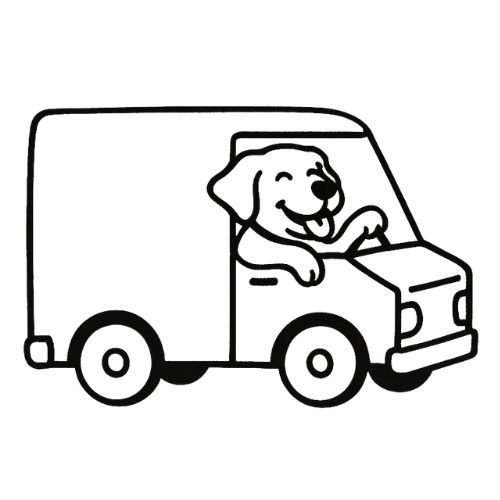


When a puppy arrives home, it explores everything… with its teeth. And at 3 months old , it's a full-blown chewing frenzy. Chewing then becomes much more than a little pleasure: it's a real necessity.
It helps to soothe gums, release excess energy, and save your furniture (and your socks in the process).
Here, we answer all questions about 3-month-old puppy chewing , to help you choose the best thing at the right time.
At what age can a puppy start chewing?
A puppy can start chewing as early as 8 weeks old . At 3 months , teething intensifies: their gums swell, they itch, they get hot… in short, they need to relieve all that. Providing a soft and well-suited chew toy for a 3-month-old puppy helps channel their chewing , prevents dental pain , and protects their oral health . It's also at this time that they begin to distinguish what they can and cannot chew (your hand is definitely not one of them 😅).
What toys or chew treats are suitable for a 3-month-old puppy?
At three months old, puppies ' gums are sensitive and their teeth are still developing. It's therefore essential to offer soft textures that are easy to chew without forcing. Opt for soft, slightly resistant materials that provide comfort while stimulating chewing. Ideally, alternate between soft textures to soothe and slightly firmer textures to encourage jaw activity. Always supervise, of course.
Best natural chew treats for 3-month-old puppies
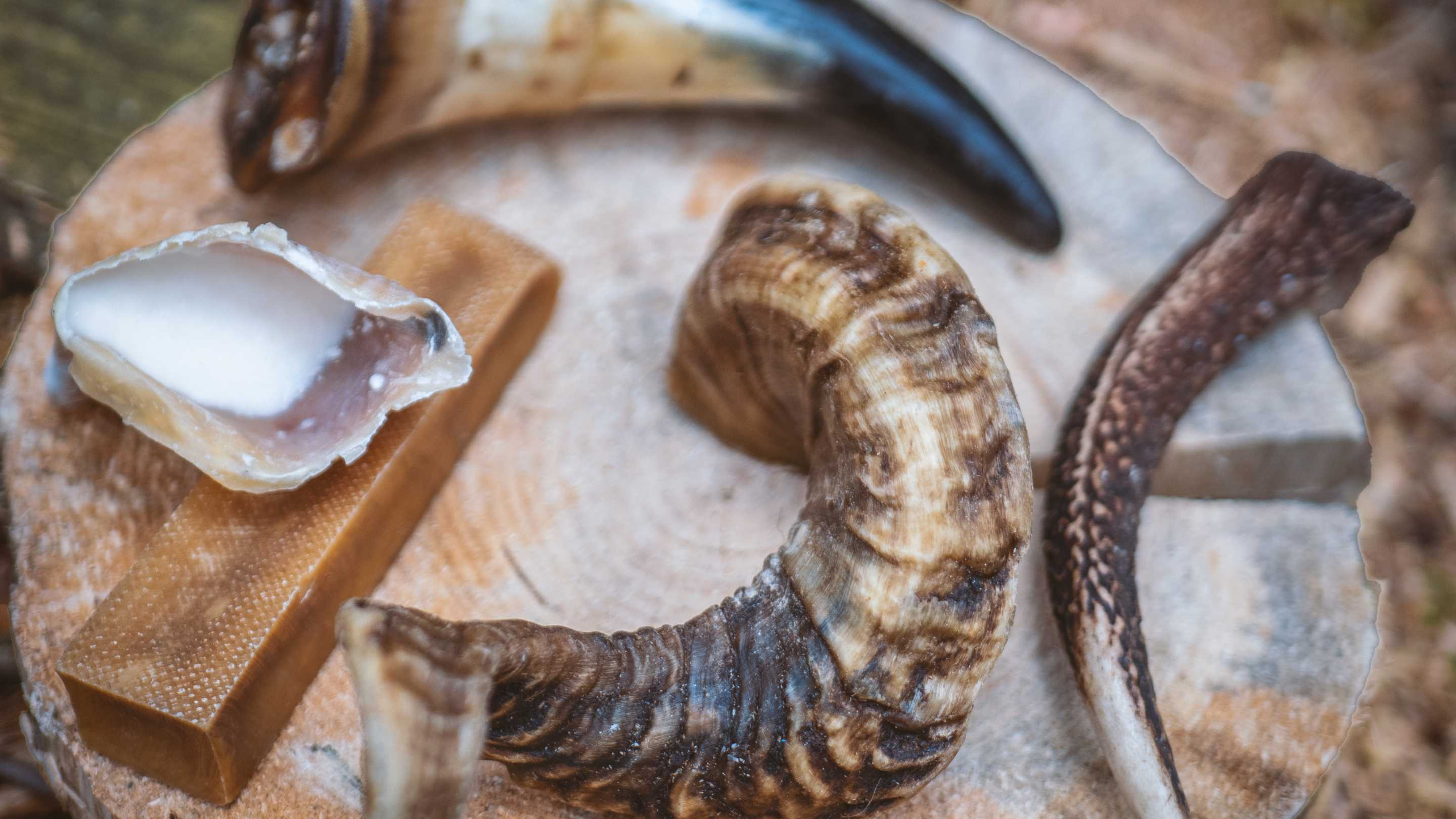
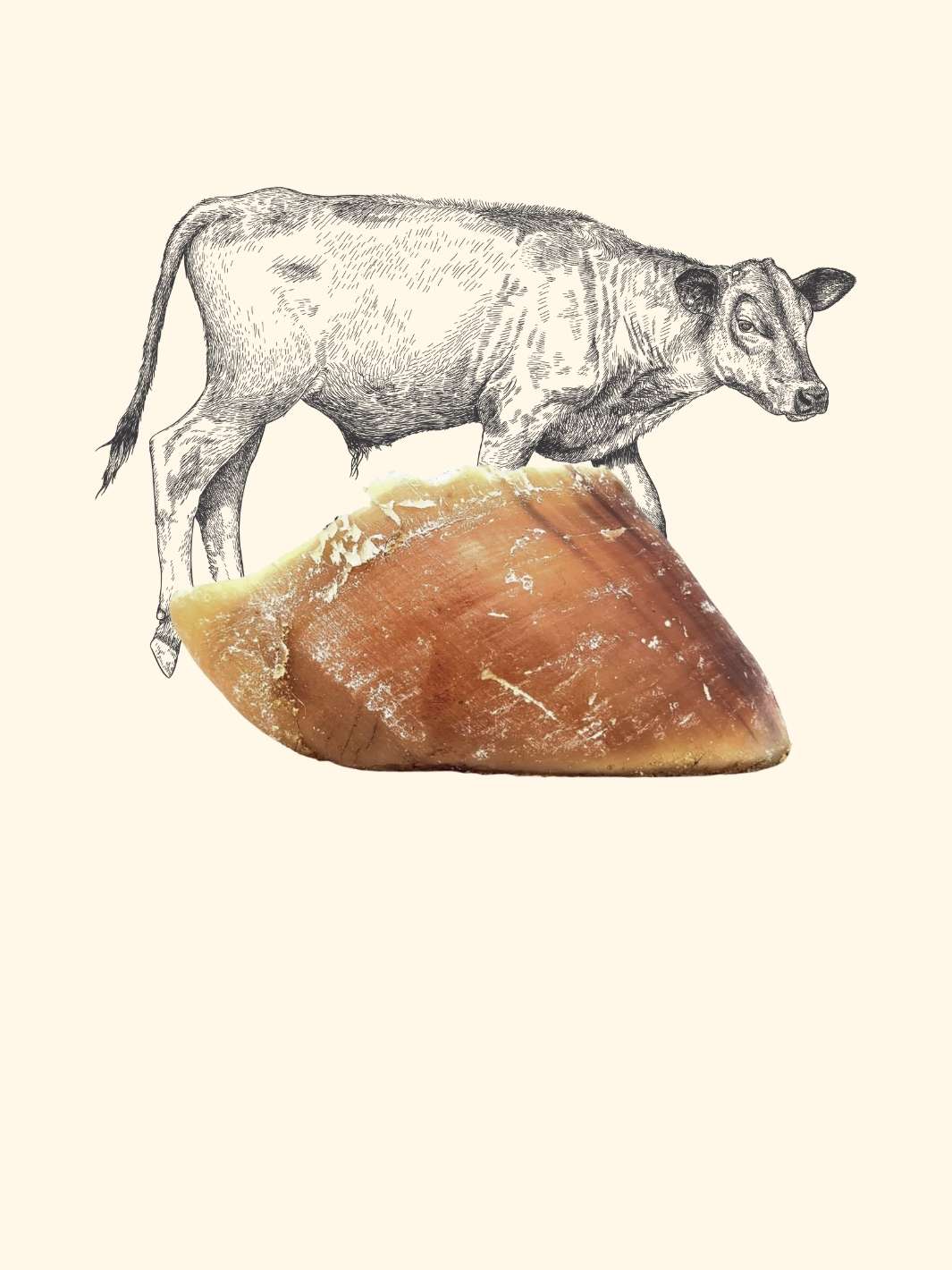
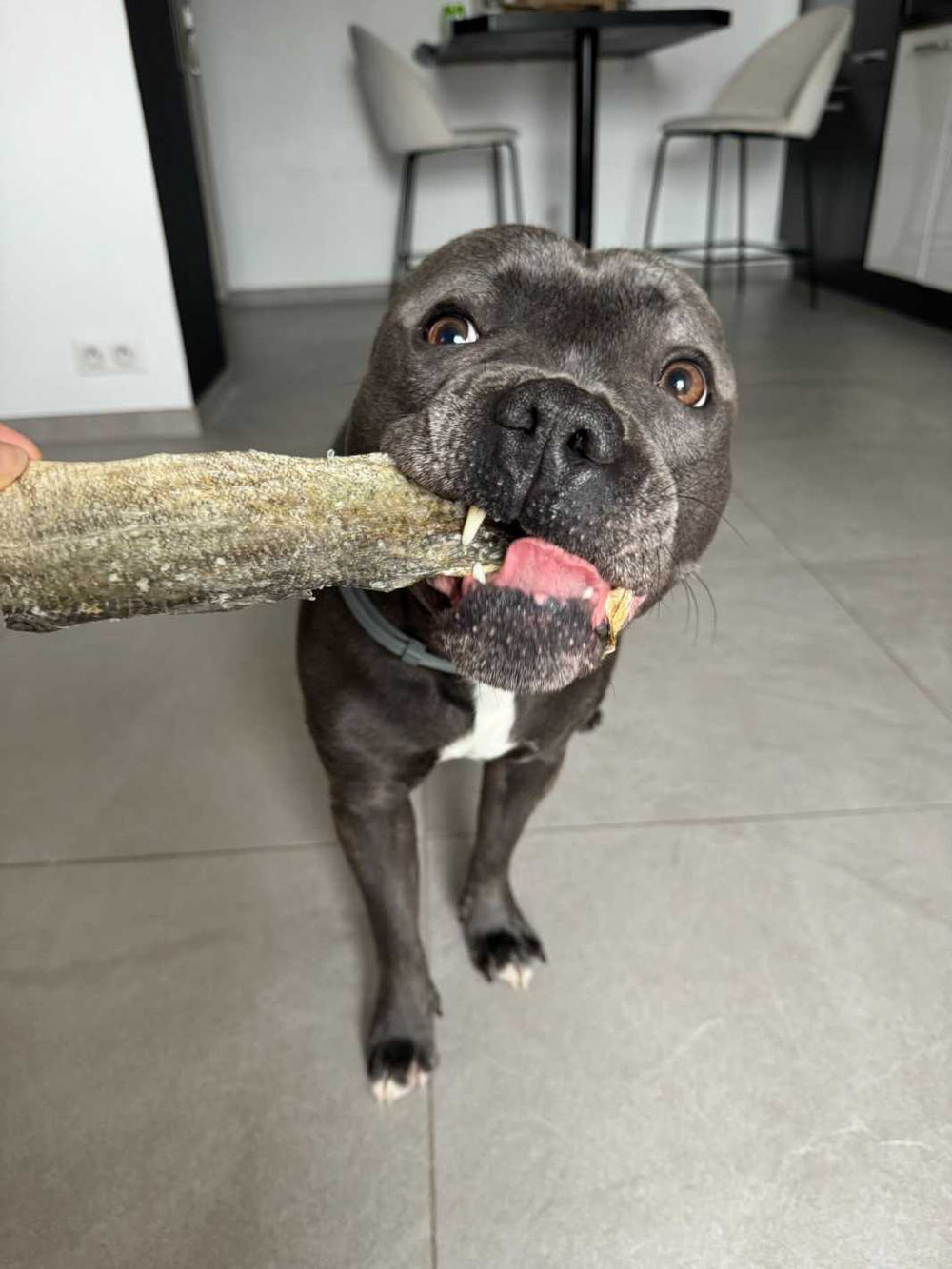
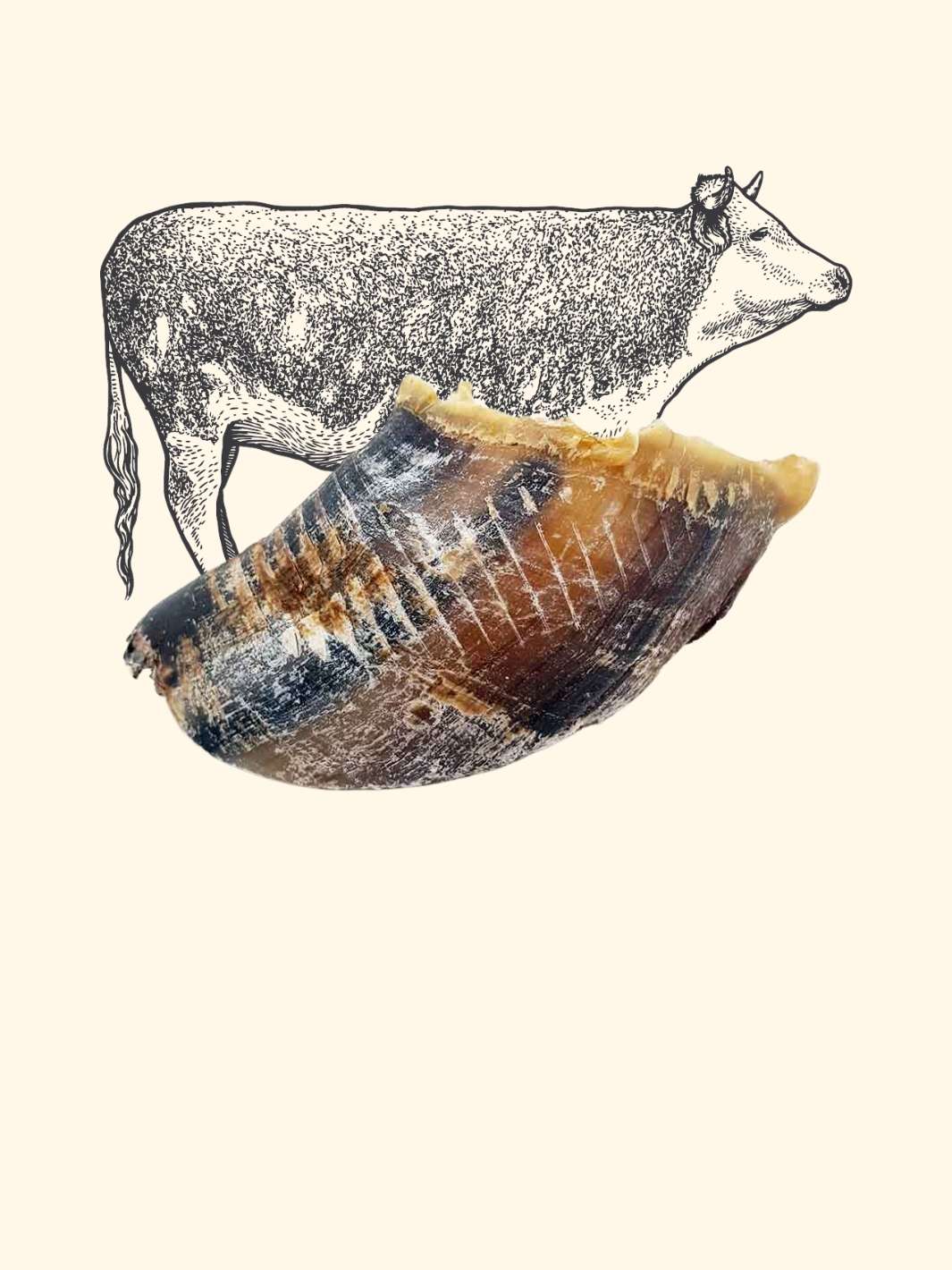
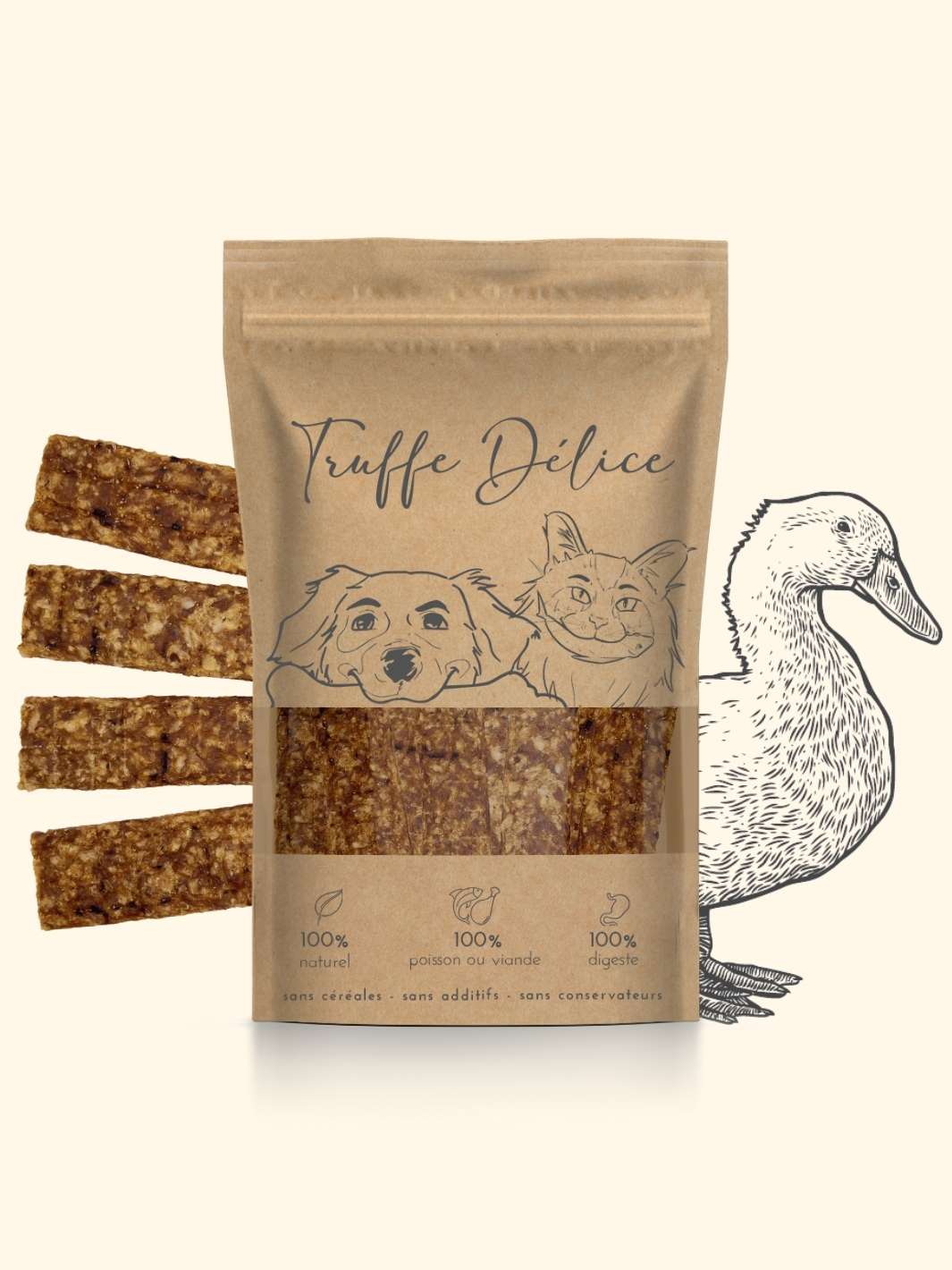
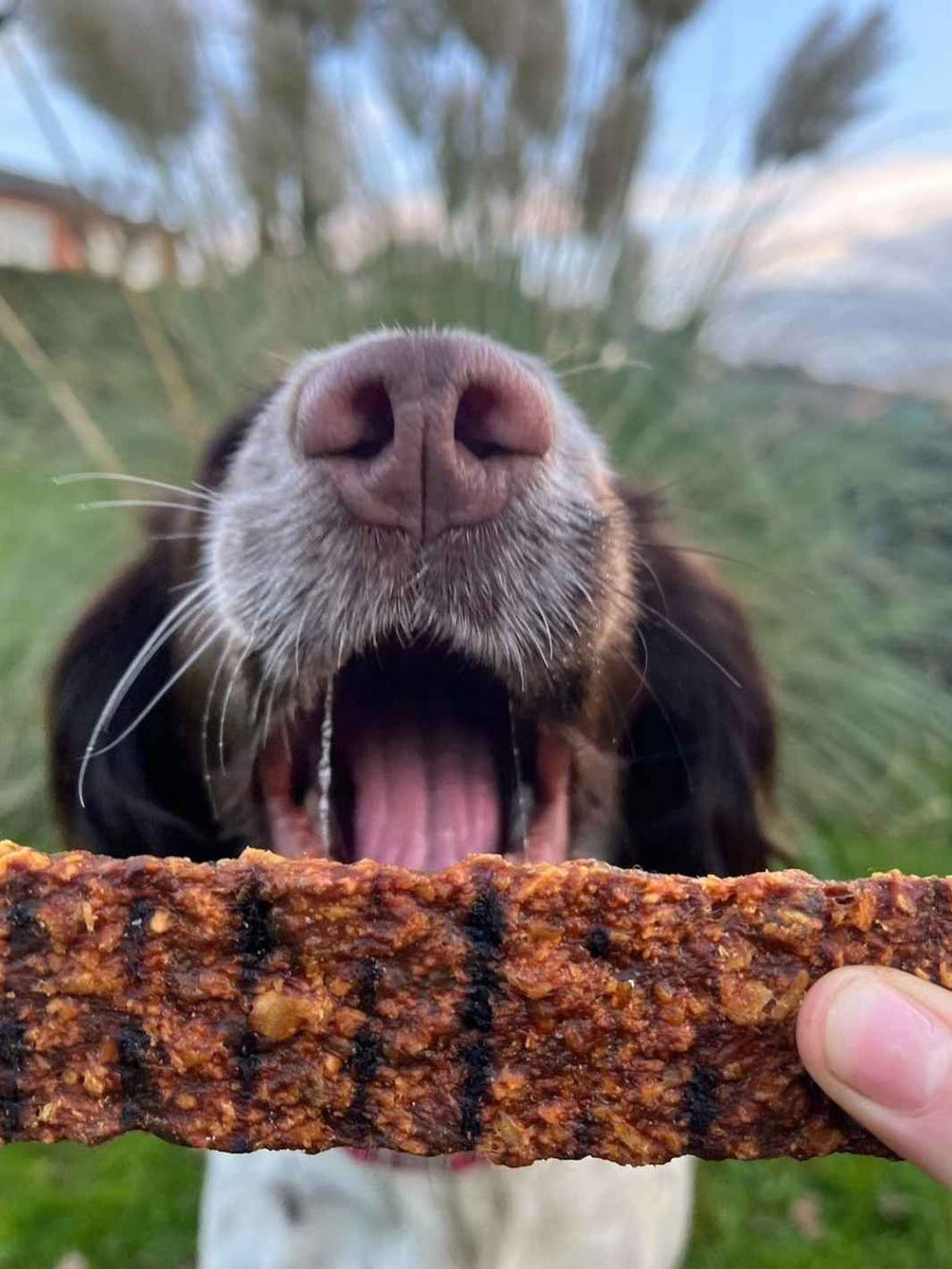
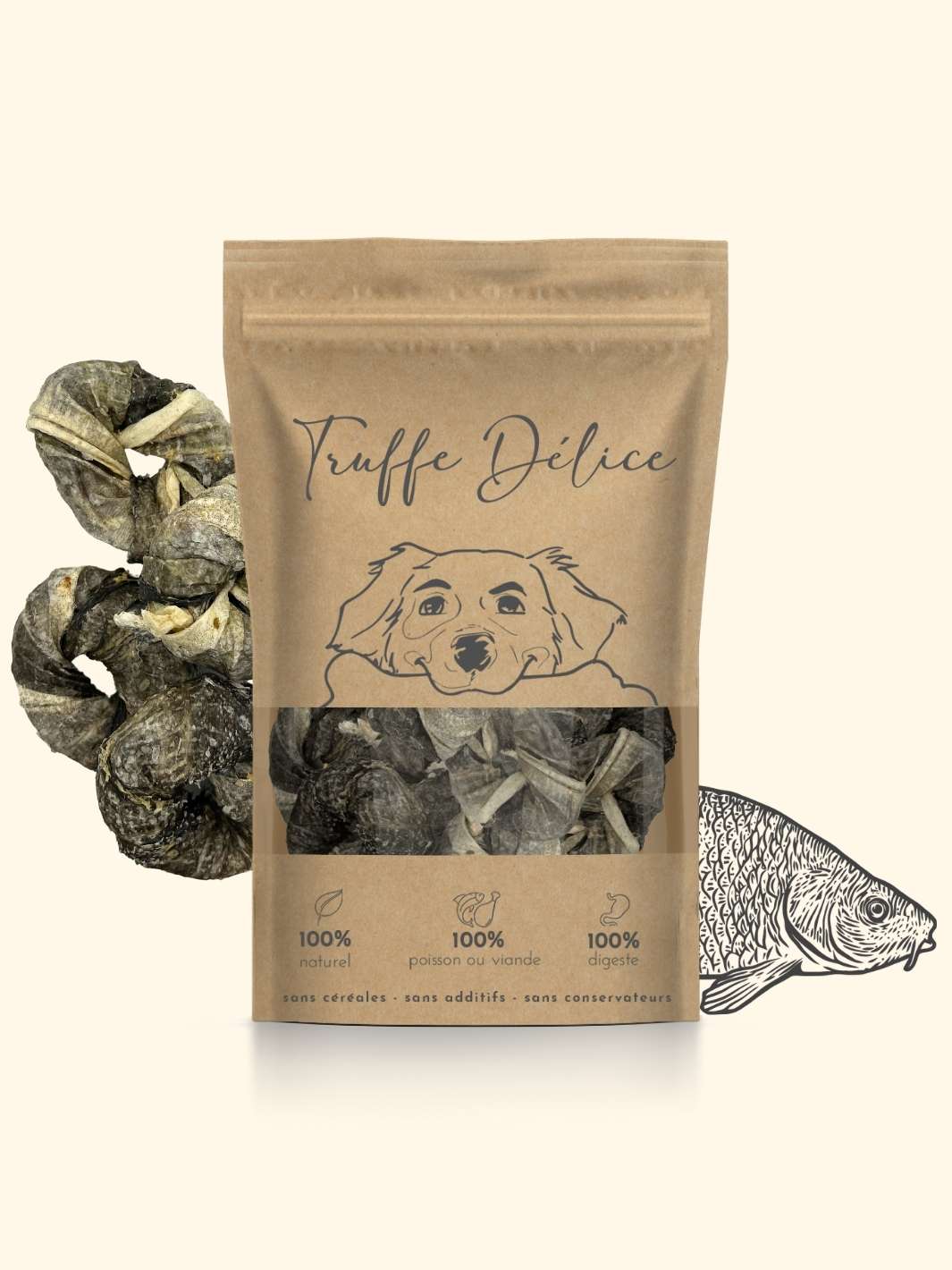
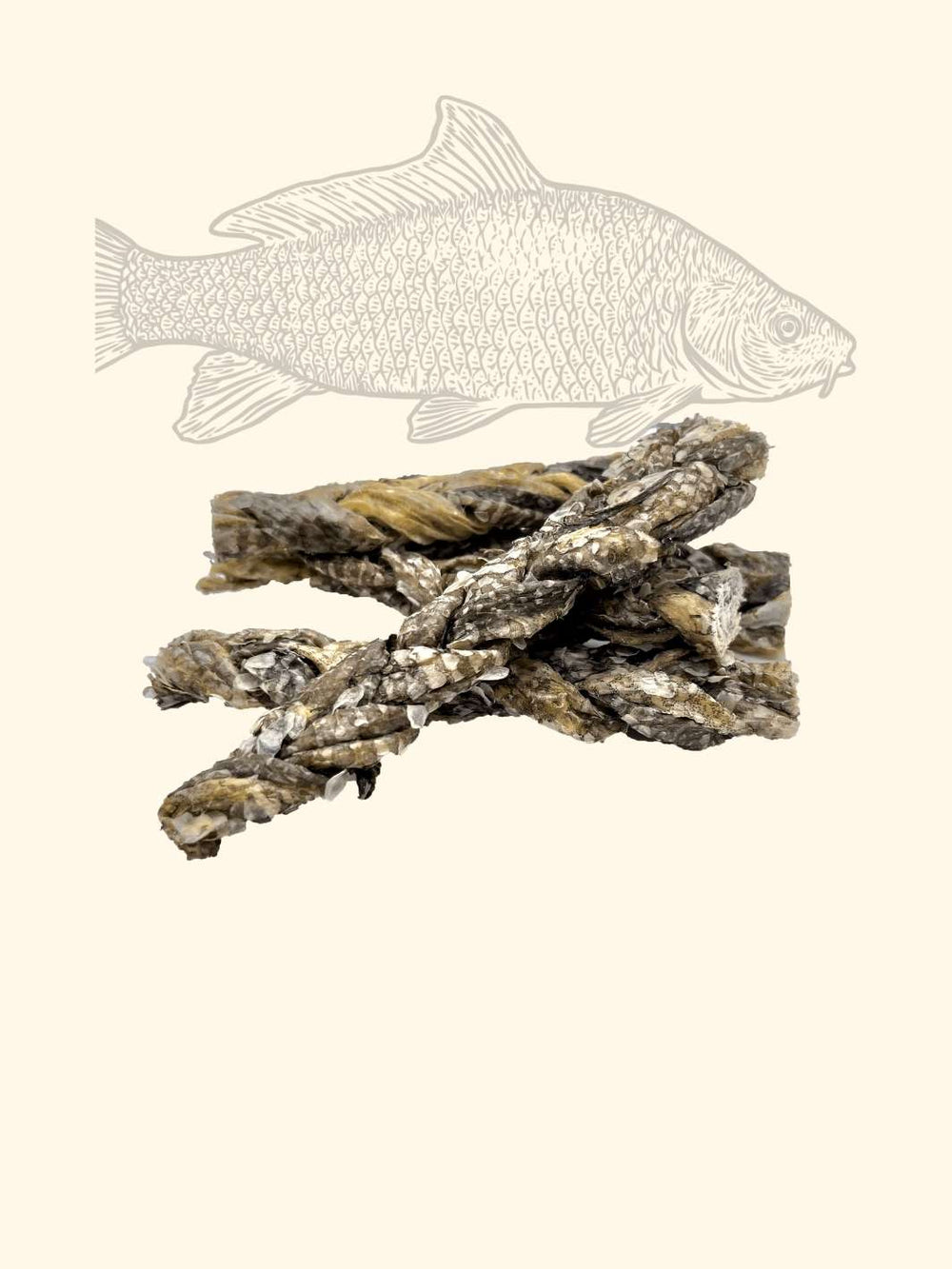
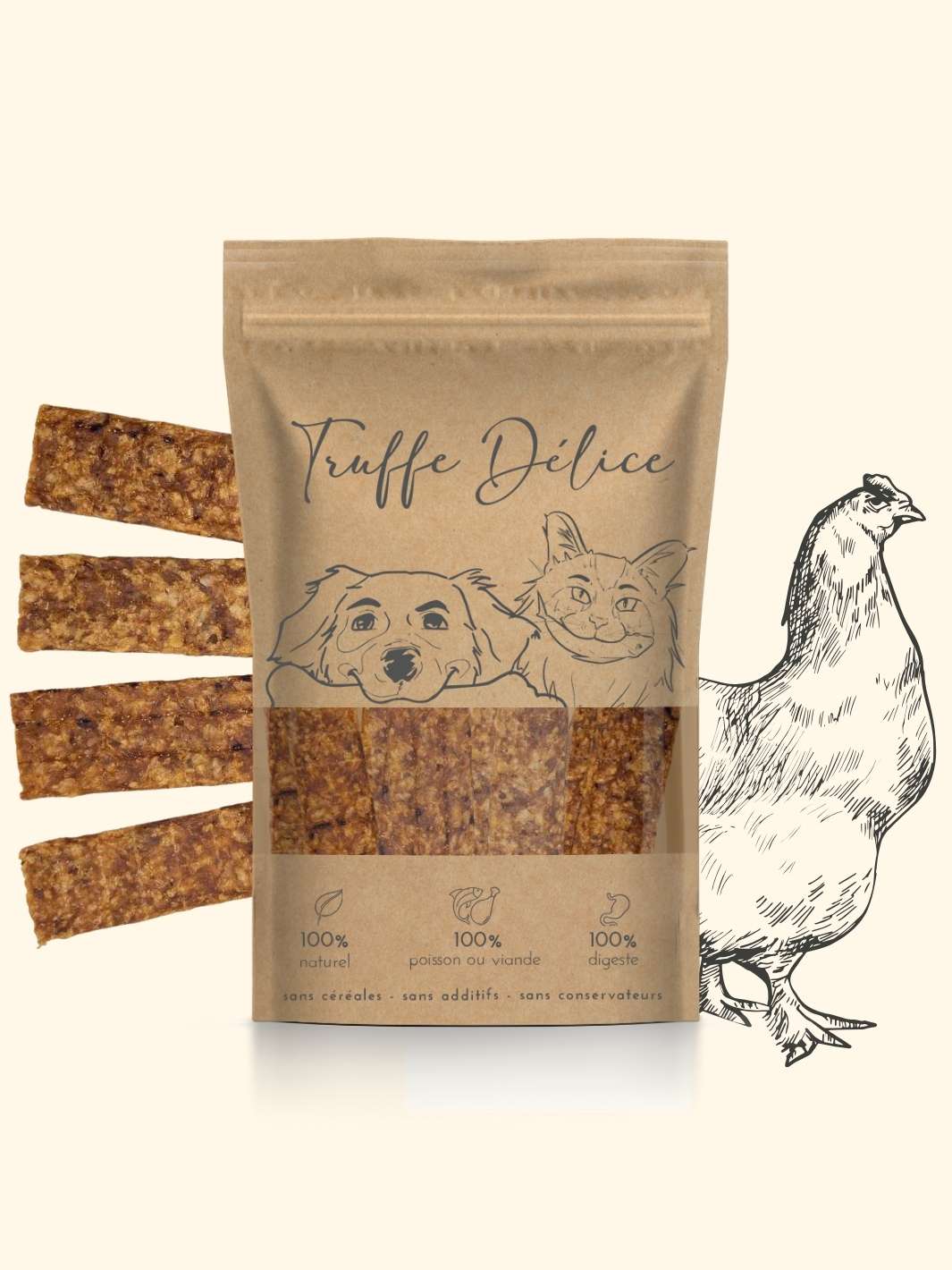
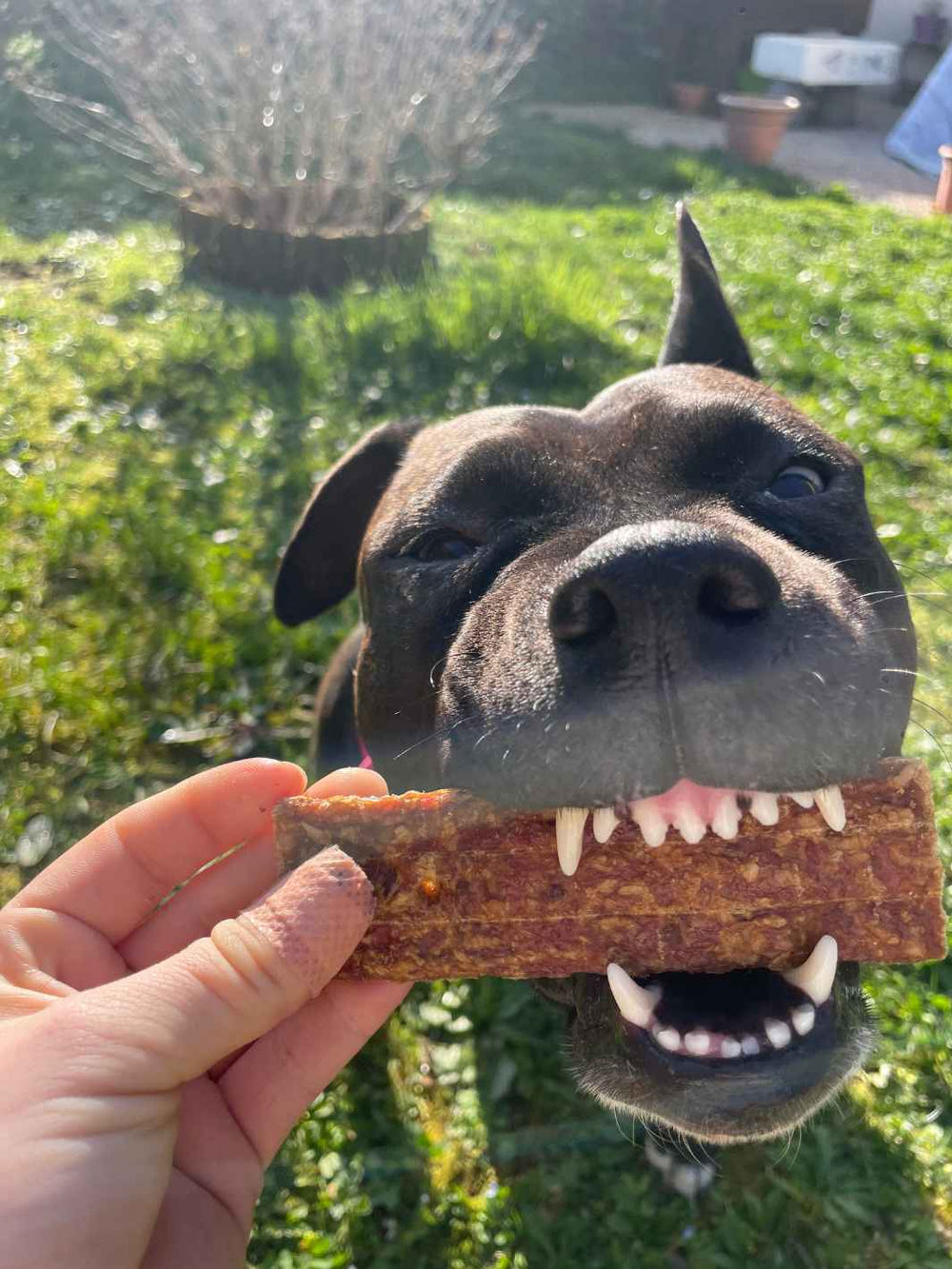
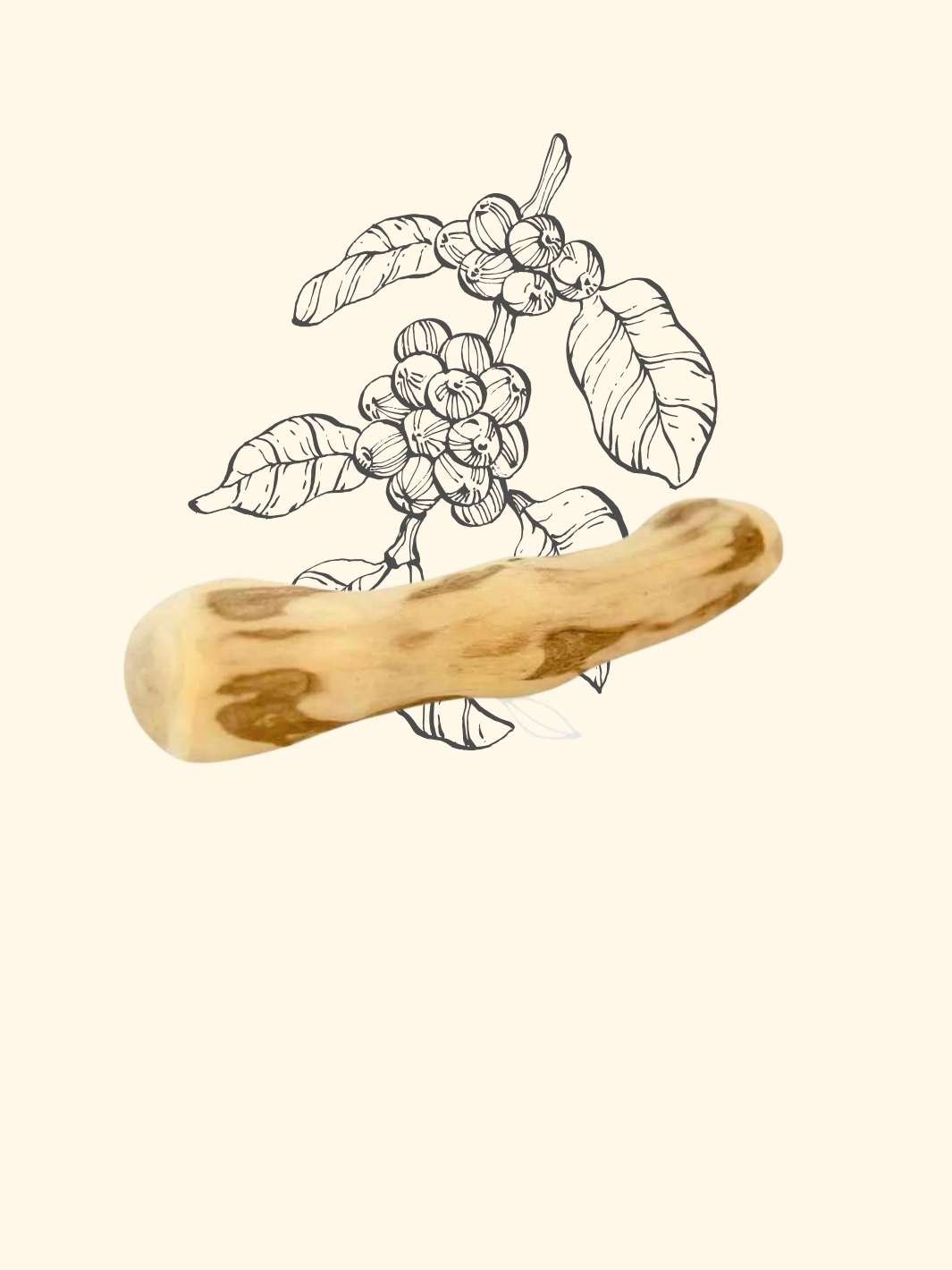
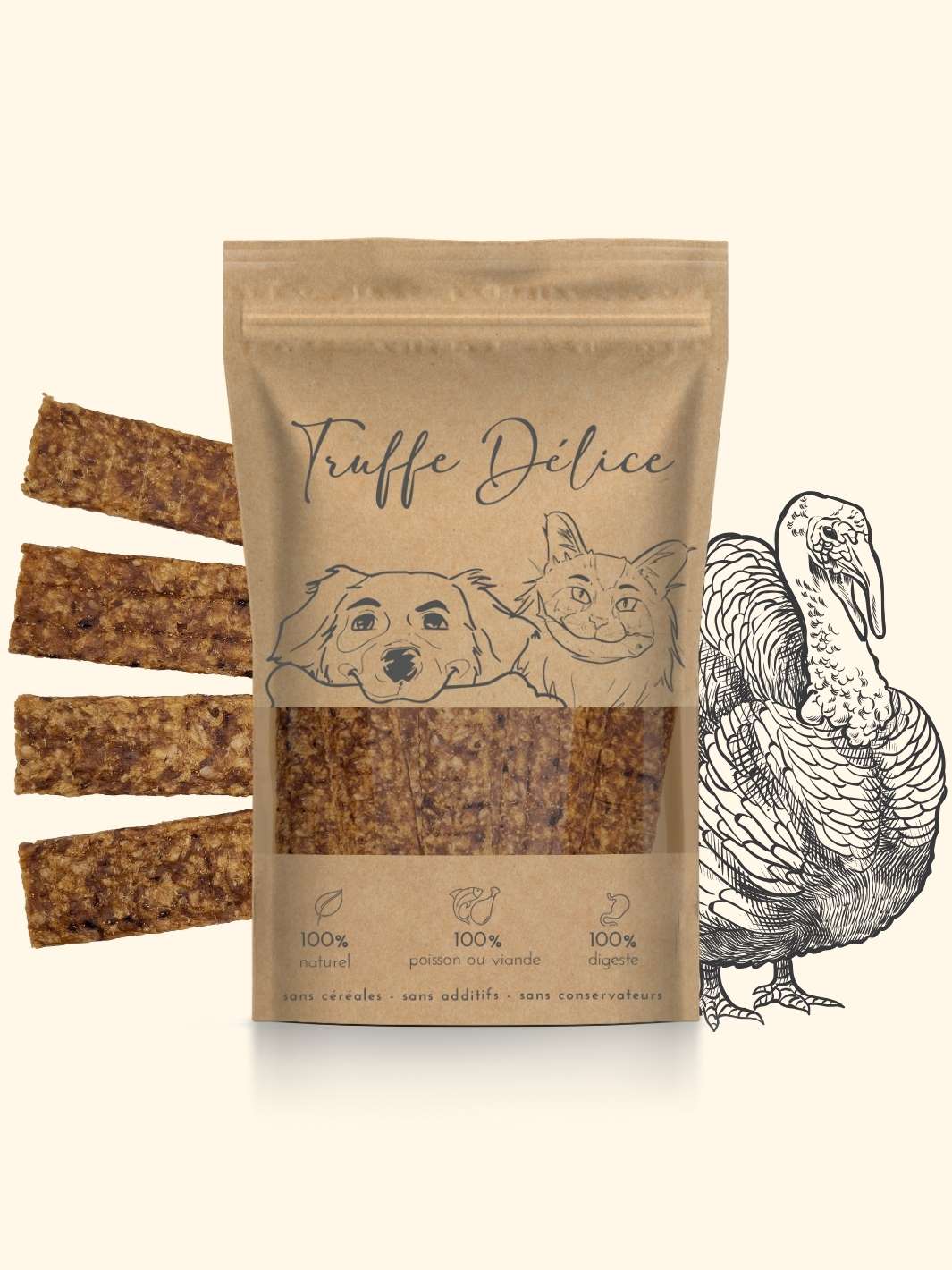
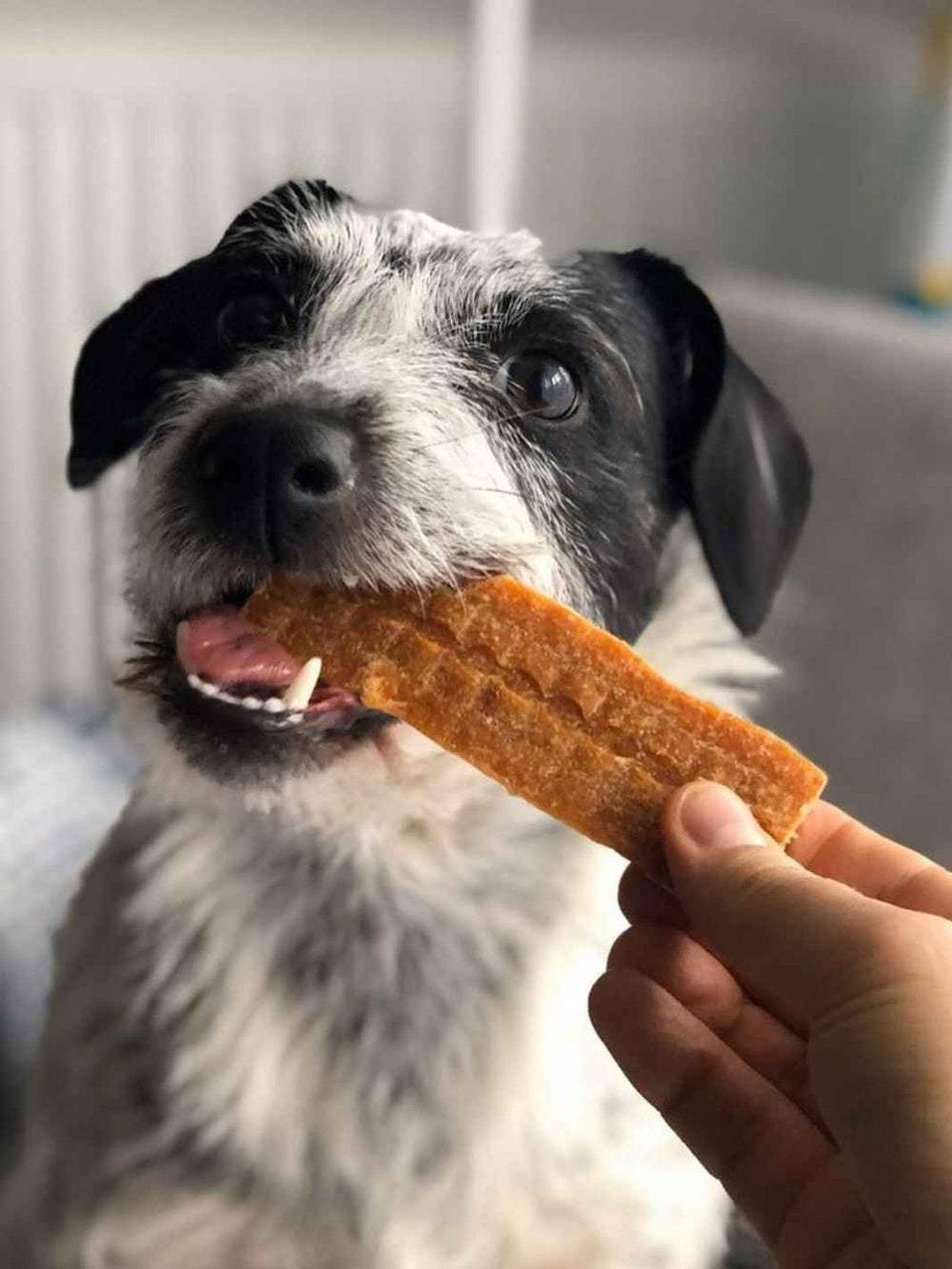
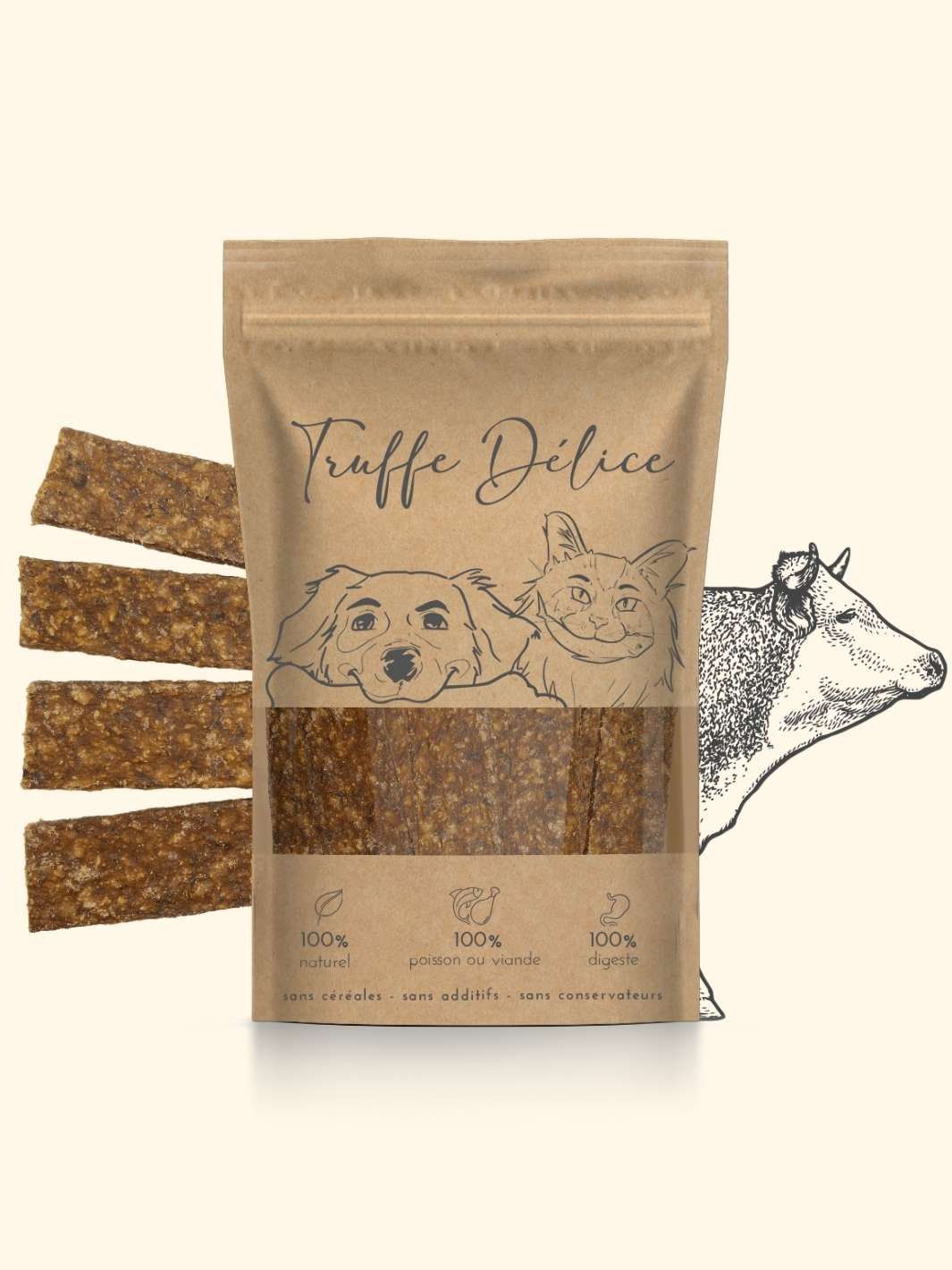
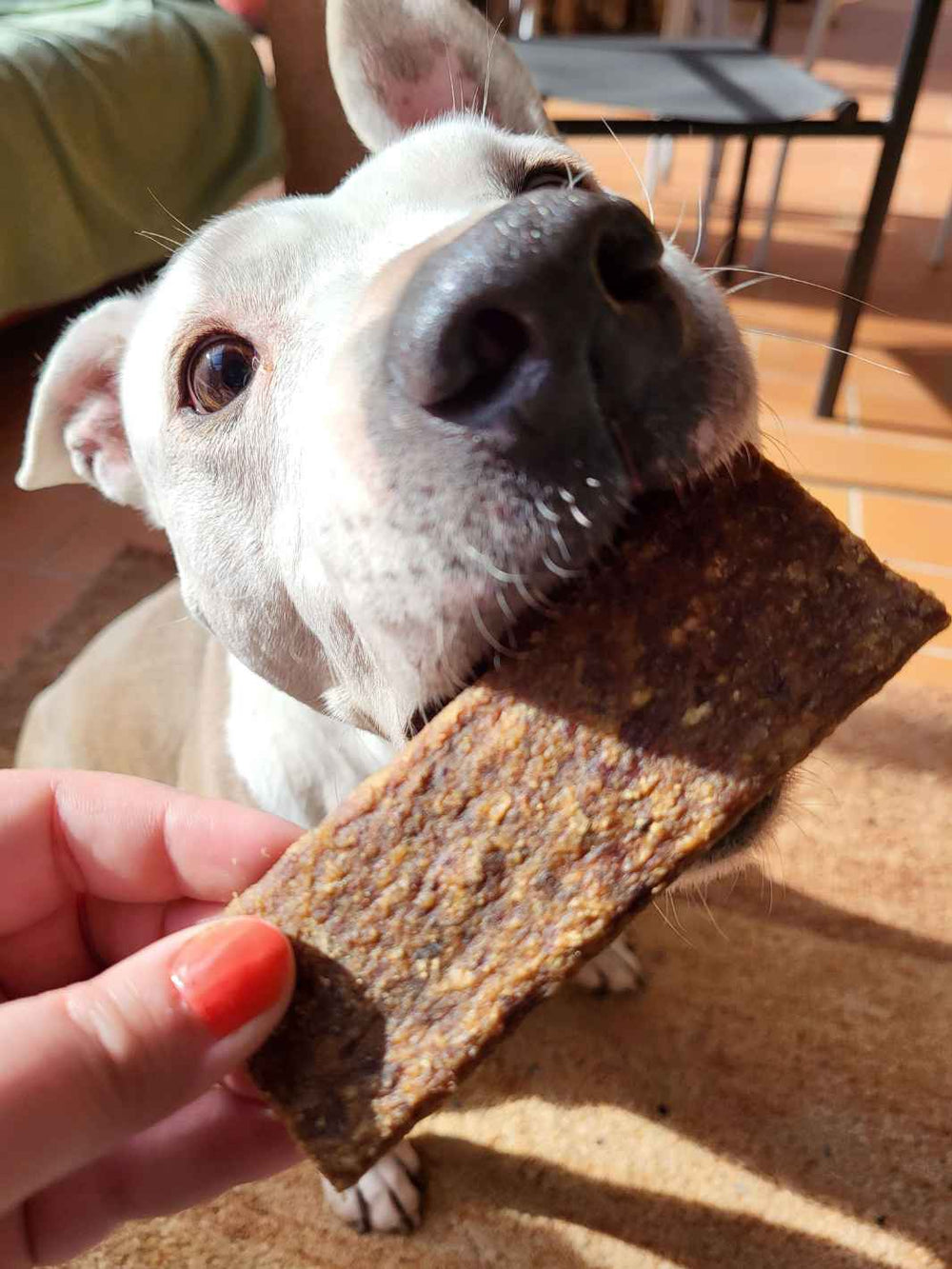
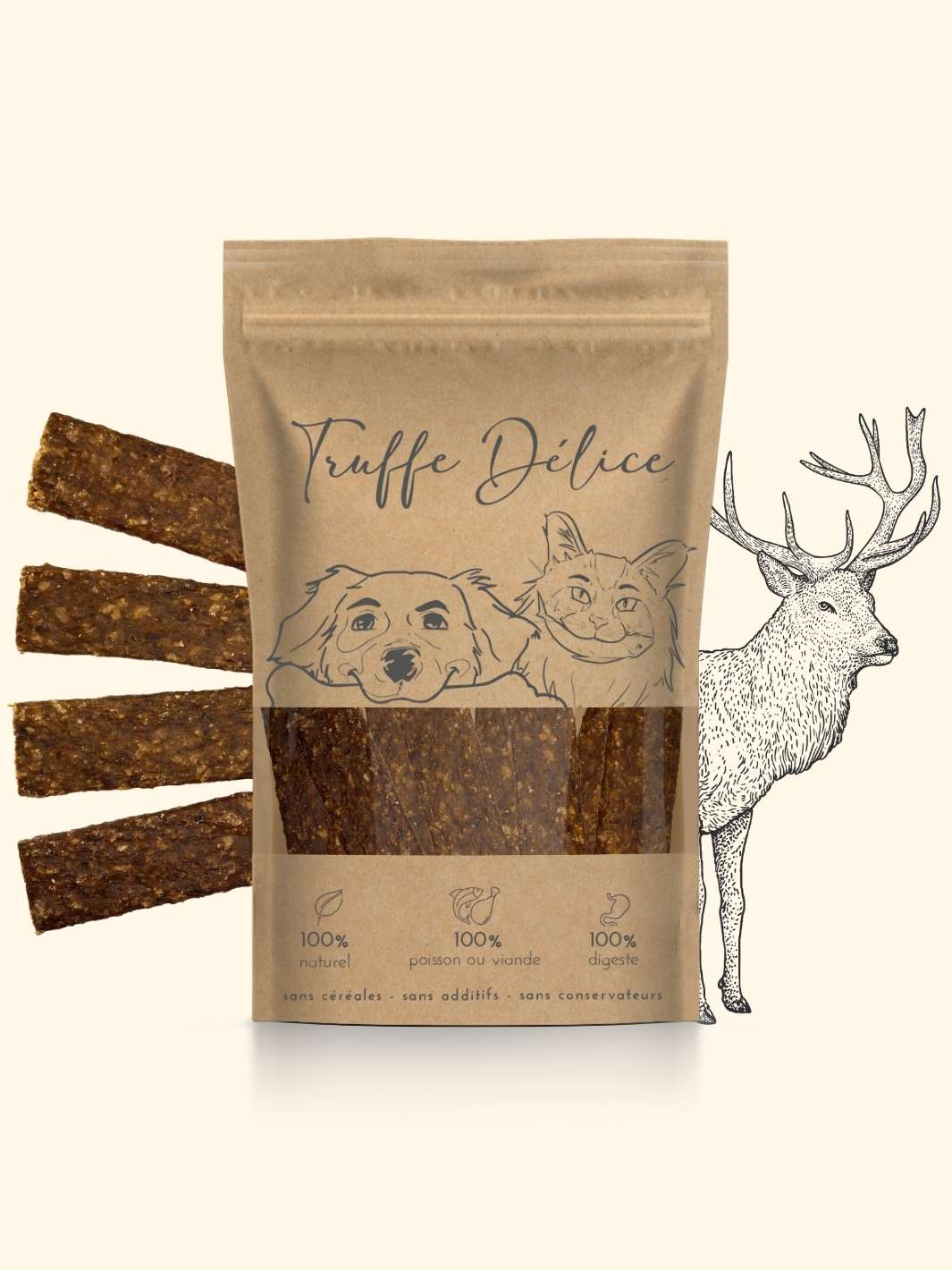
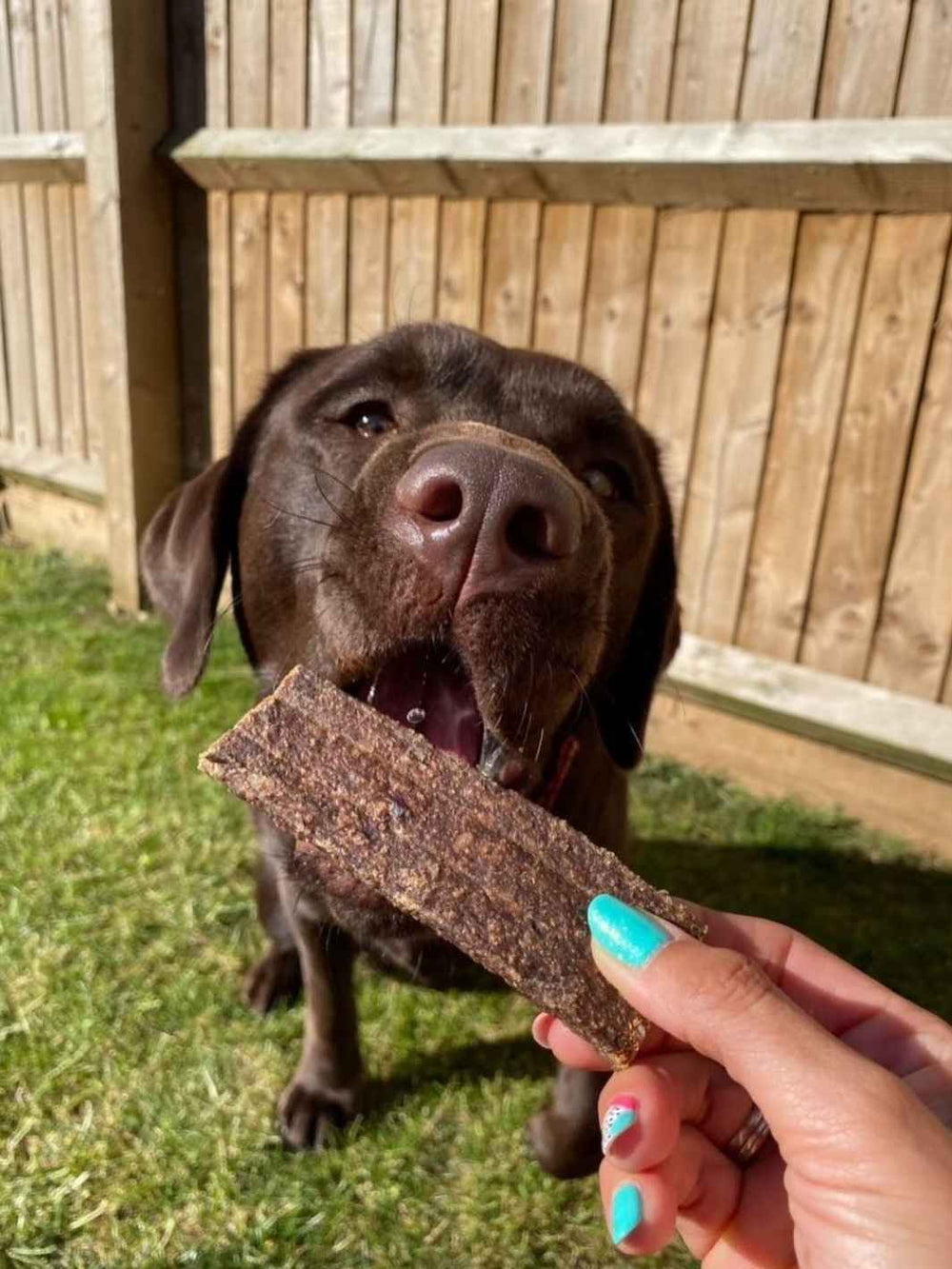
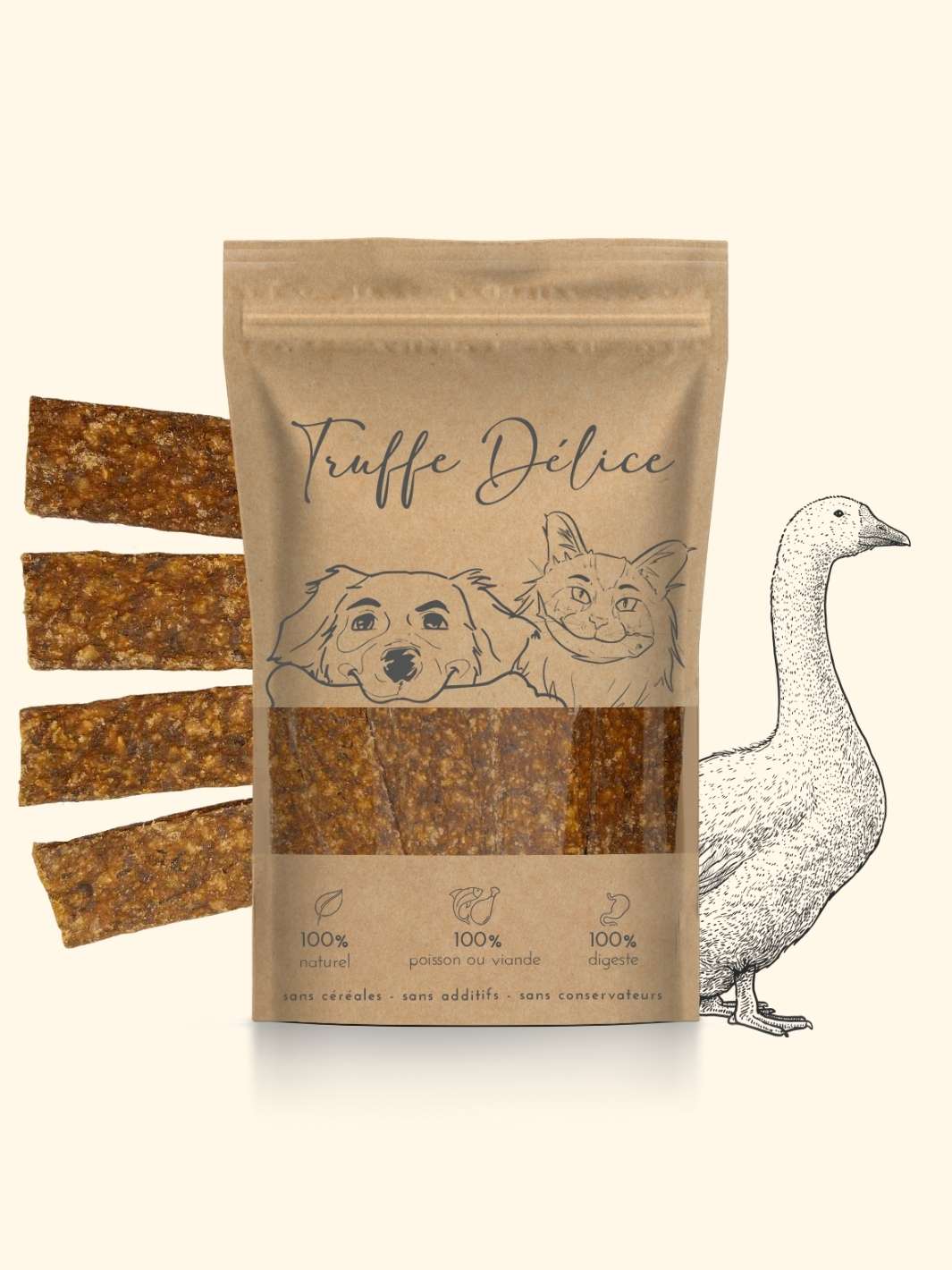
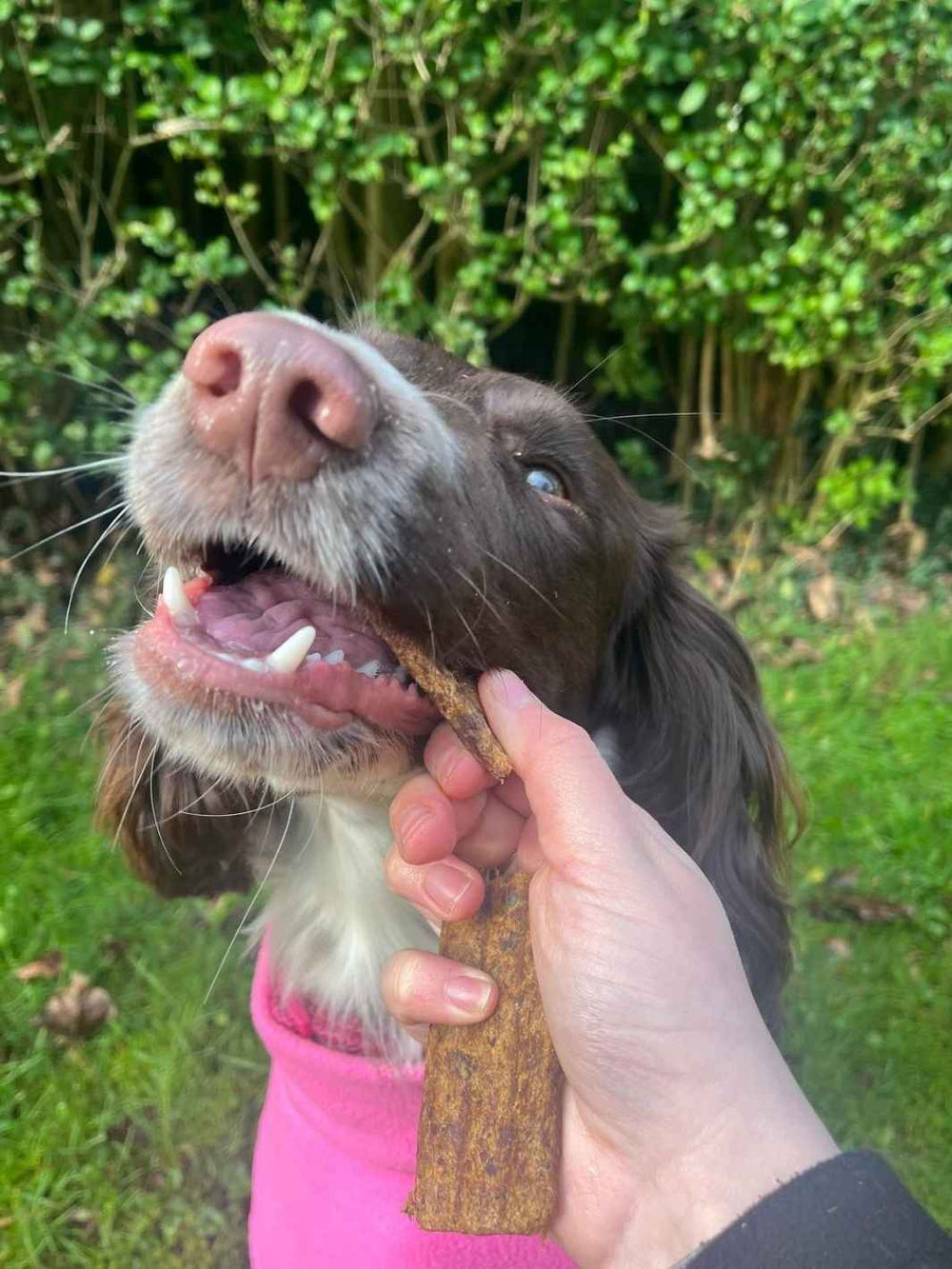
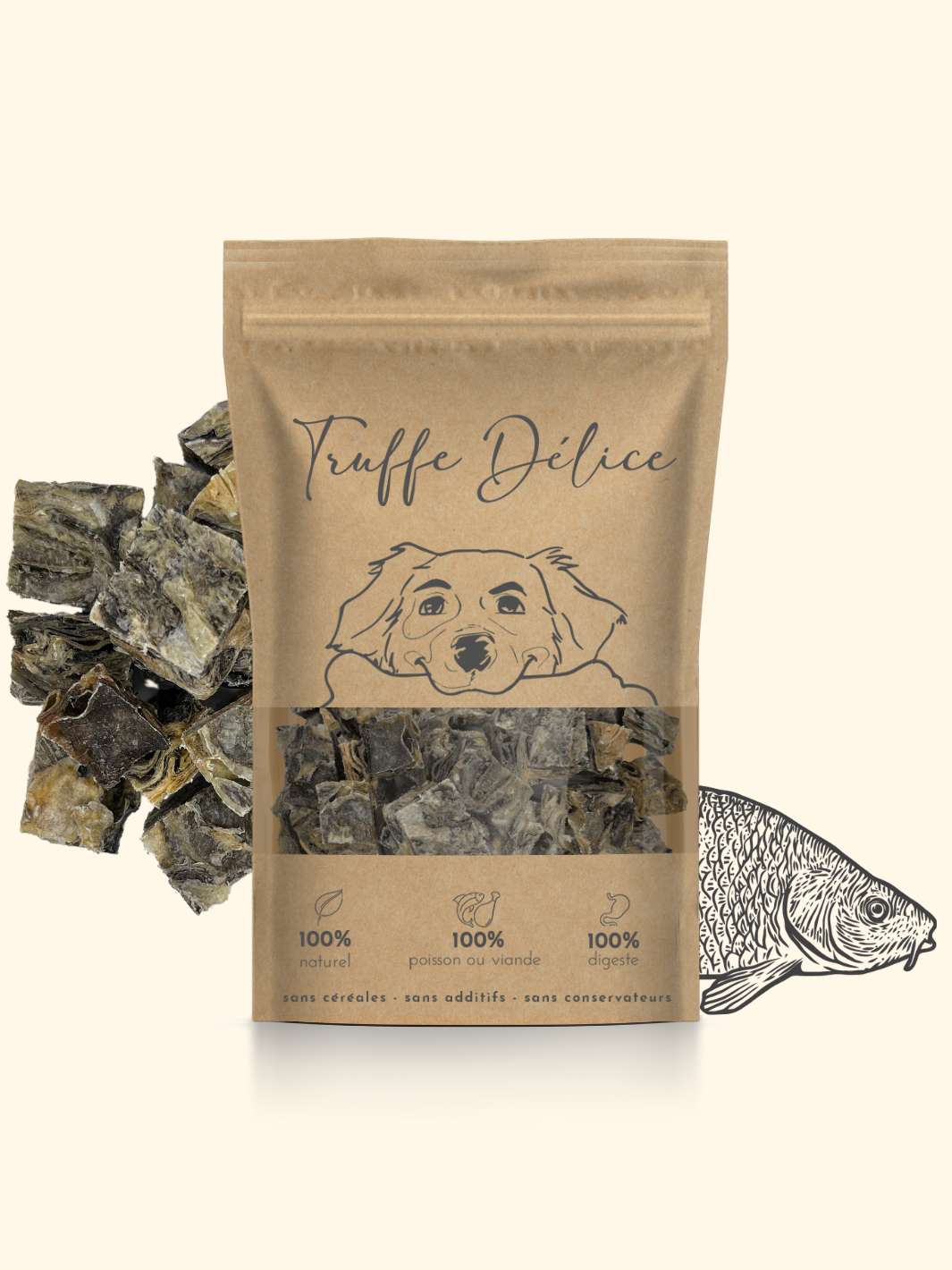
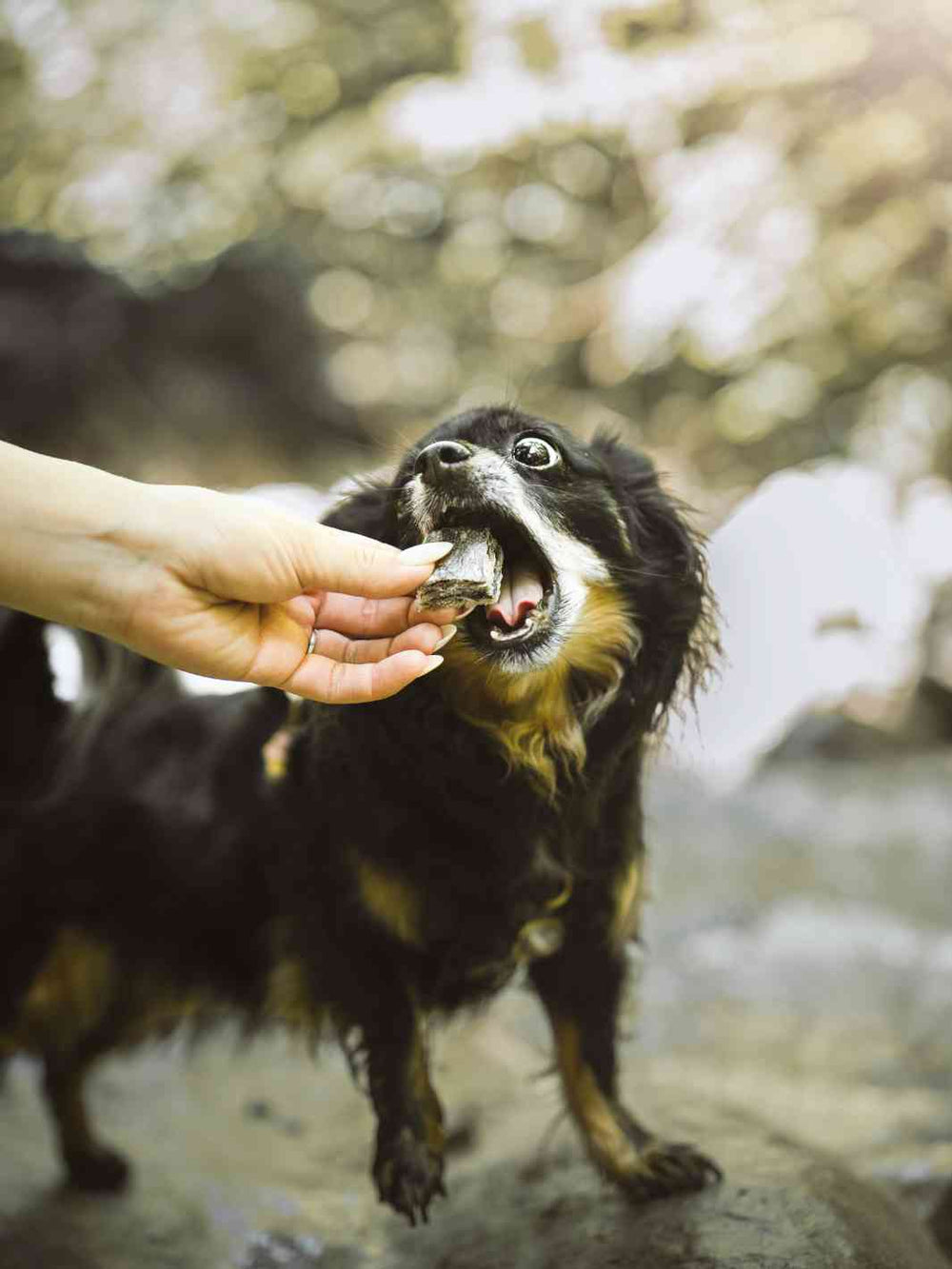
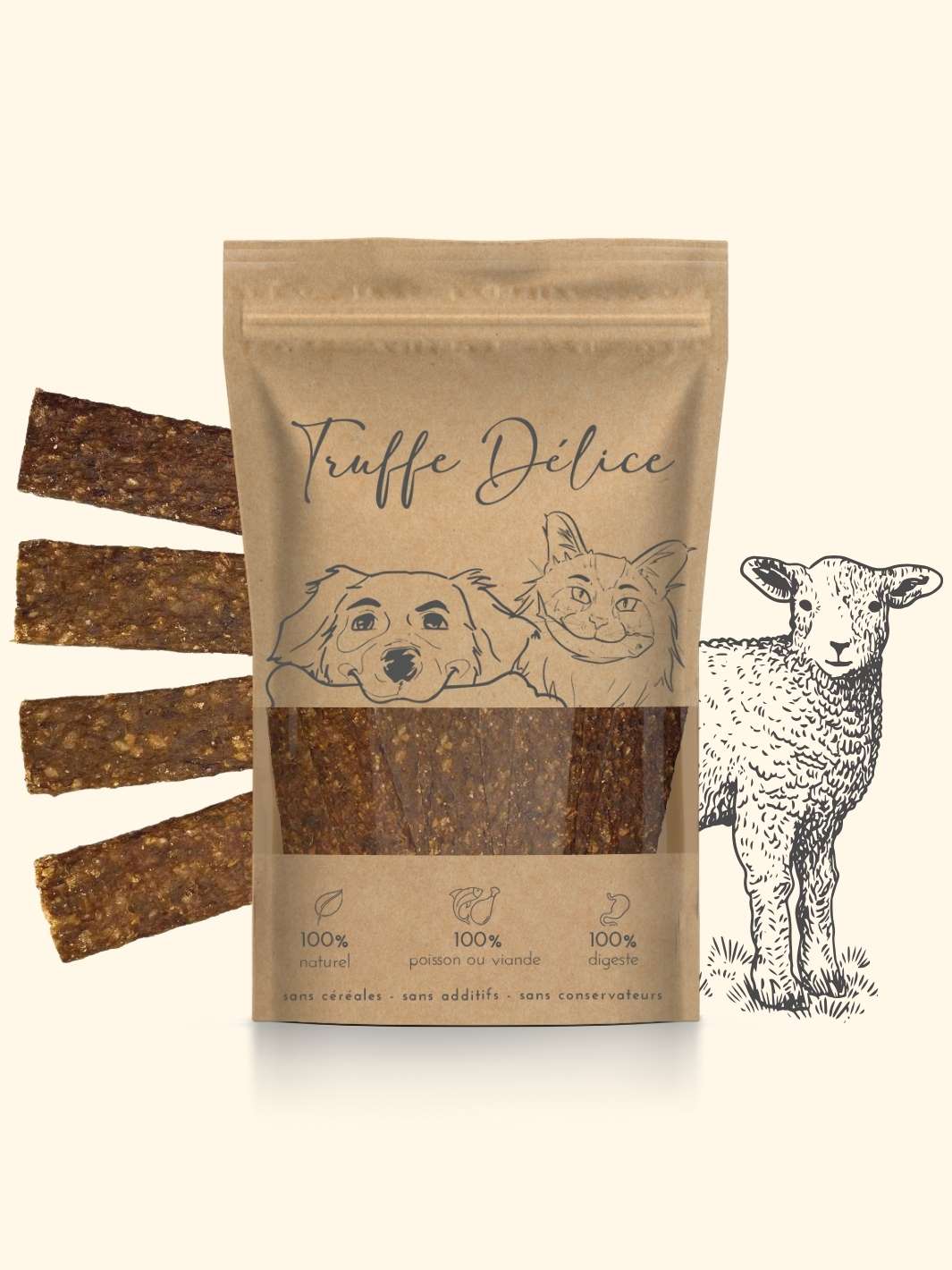
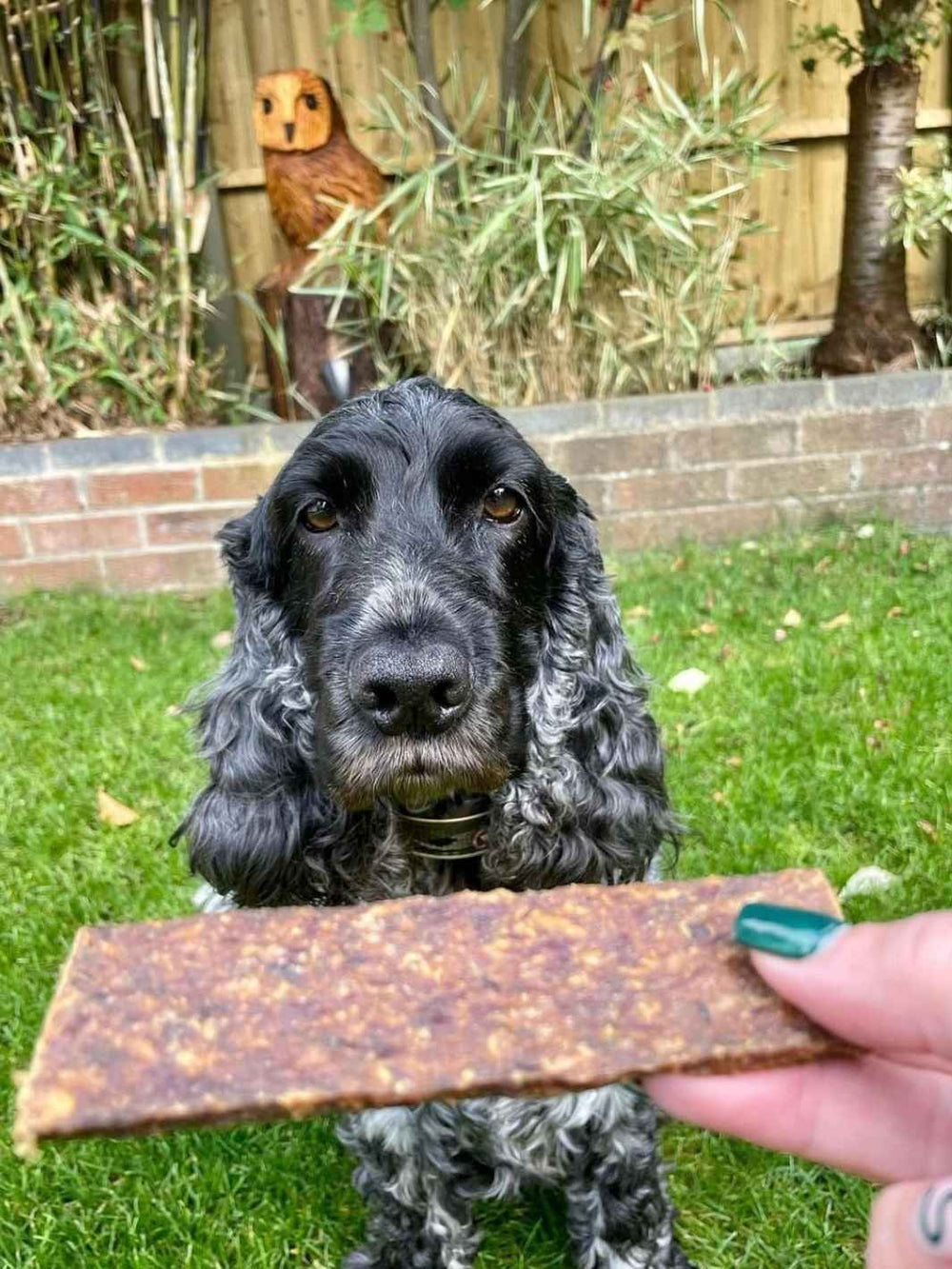
At this age, avoid hard chews like deer antler or olive wood, as they could damage their baby teeth. Instead, opt for softer textures, perfectly suited for puppies. Strips of dried meat , tender goose trachea , or light salmon skin offer an excellent first introduction to chewing, respecting the sensitivity of their small jaws. For puppies who chew a little more, a small calf hoof can be offered under supervision: it's more durable but still appropriate for a developing jaw. Ideally, alternate between soft textures and slightly firmer chews to stimulate teething without causing pain.
How to calm a 3-month-old puppy who chews on everything?
At three months old, a puppy explores the world with its mouth , much like a baby with its hands. Chewing is its natural way of exploring its environment , testing textures and reactions, and expressing its emotions. This behavior is therefore normal , but it can (slightly) put your furniture to the test. Offering a suitable three-month-old puppy chew toy during a calm moment helps channel this exploratory phase . At the same time, establish a stable routine , offer a variety of games , and use clear cues to teach it what is okay and what isn't.
Conclusion
At 3 months old, chewing becomes essential for your puppy, especially if it's one of those energetic little breeds . It's a key stage in its canine development: it channels excess energy, soothes sore gums, limits tartar buildup , stimulates joints , and contributes to good oral hygiene . Veterinarians recommend offering suitable toys, chew sticks , or treats in addition to its main food.
Opt for soft textures , easy to chew , grain-free , rich in nutrients, and adapted to the junior, medium or mini size of your puppy.
It's also an excellent way to strengthen the bond during training phases, while preventing him from turning your sofa or the cat's food bowl into an exploration ground.
From a very young age, incorporating chewing into your pet's routine contributes to their physical and emotional balance... and to the survival of your furniture 😅.