

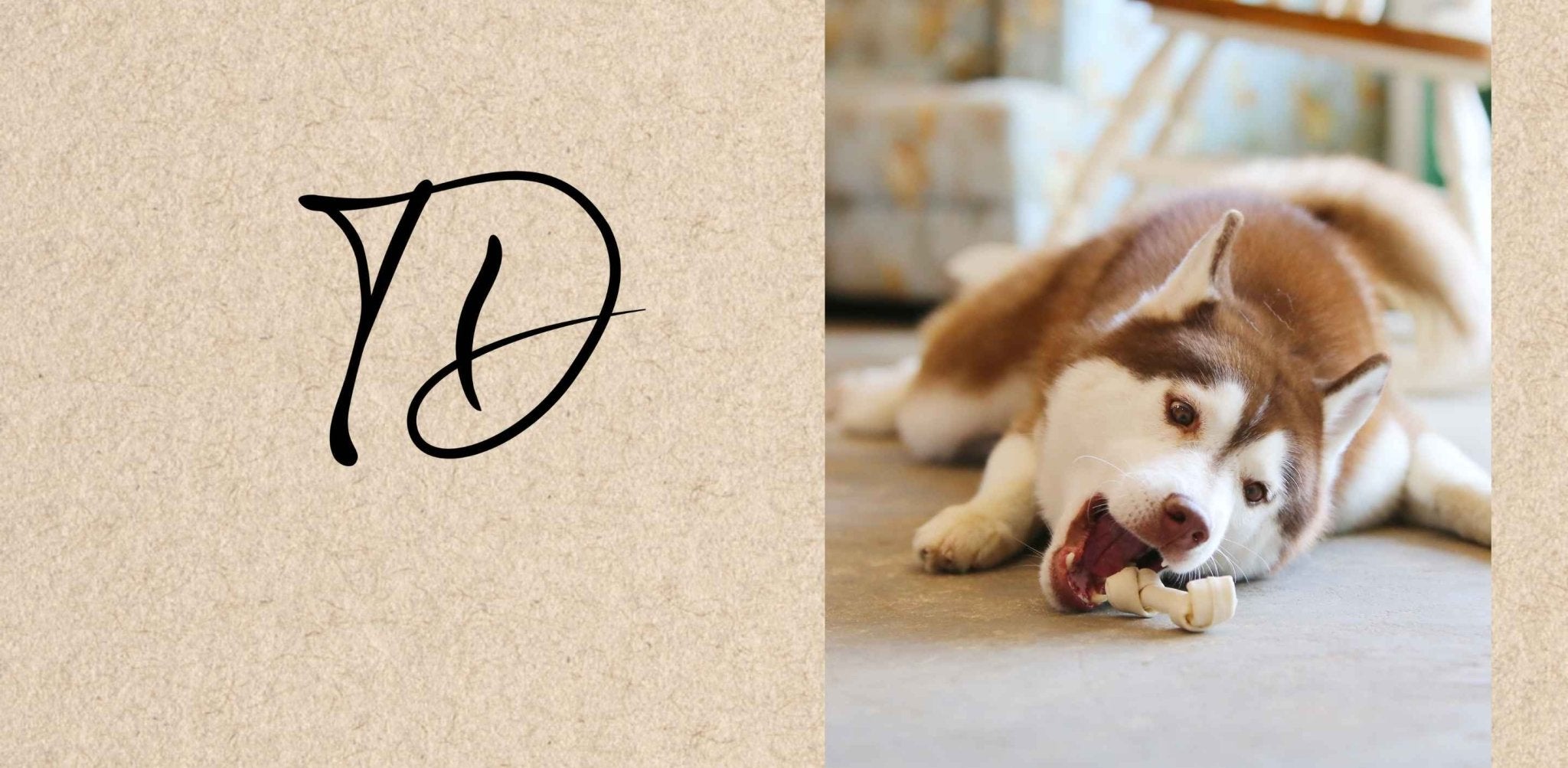
Chew yes, but not just anything!
For a dog, chewing is necessary to:
- Soothe it : by chewing, the dog releases endorphin, a hormone that acts against stress
- Relieve dental pain : particularly in puppies as soon as their teeth grow
- Maintain your weight : chewing has the effect of reducing the feeling of hunger
- Clean your teeth : thanks to the friction action, it acts like a toothbrush
- Keep him busy : nothing better than a good chewing activity to stimulate your dog during his days
Today there are many varieties of treats. Unfortunately, some of them are harmful to your pet's health. Here are the three treats to ban.
1. Skin bones
The skin bones look exactly like sticks of meat. But they are made of… animal hides. Although at first glance these treats seem harmless, they are actually dangerous for your four-legged friend.
Many dog owners think these bones are safe because of their rigidity. But as they gnaw on them, the leather softens. They then swallow pieces which can block the respiratory system and obstruct their intestines.

The other danger is that these bones are made of chemicals. In order to resemble meat sticks, these treats undergo numerous treatments.
First, animal skins are dipped in brine, then in sodium sulfide to remove remaining hair.
Second, they are bleached to sanitize and eliminate odors.
Third, they are flavored using artificial flavors, colorings and potentially carcinogenic additives.
Lately, glues are used to give them a bone shape and make them stronger.
2. Chewing sticks
Chew sticks are sold as miracle products. According to the brands that market them, its treats reduce the formation of tartar, freshen breath and take care of the gums. Just that !
But are these products really healthy for your dog's teeth?
On the one hand, here are their ingredients:
- Cereals
- Plant-based by-products
- Oils and fats
- Meat and animal by-products

If the composition seems correct for one's health, it is in reality harmful. Cereals are first on the list. However, dogs do not digest them. And from a nutritional point of view, they are of no interest since they are low in protein.
Concerning meat and animal by-products, these are in fact carcasses and viscera. The same goes for fats. As for by-products of plant origin, they may be palm oil or waste from the food industry. So beware!
Finally, these sticks are high in calories. They contain a lot of carbohydrates and fat. However, a dog, like any self-respecting carnivore, needs protein.
3. Cooked bones
Contrary to popular belief, you should not give them just any bone. Those that are cooked should be avoided. For what ? Because cooking makes them more brittle. And this can have dramatic consequences such as obstruction of the airways and perforation of the intestines.

Instead, choose raw bones. They are tastier, less brittle and contain proteins thanks to the presence of meat. Your dog can therefore chew them safely.
However, a few rules must be respected:
- Adapt the size of the bone according to the size of your furry friend
- Check if these teeth are not too fragile: if this is the case, give him less hard bones such as wild boar skin or chicken necks
- Watch your little one when he chews
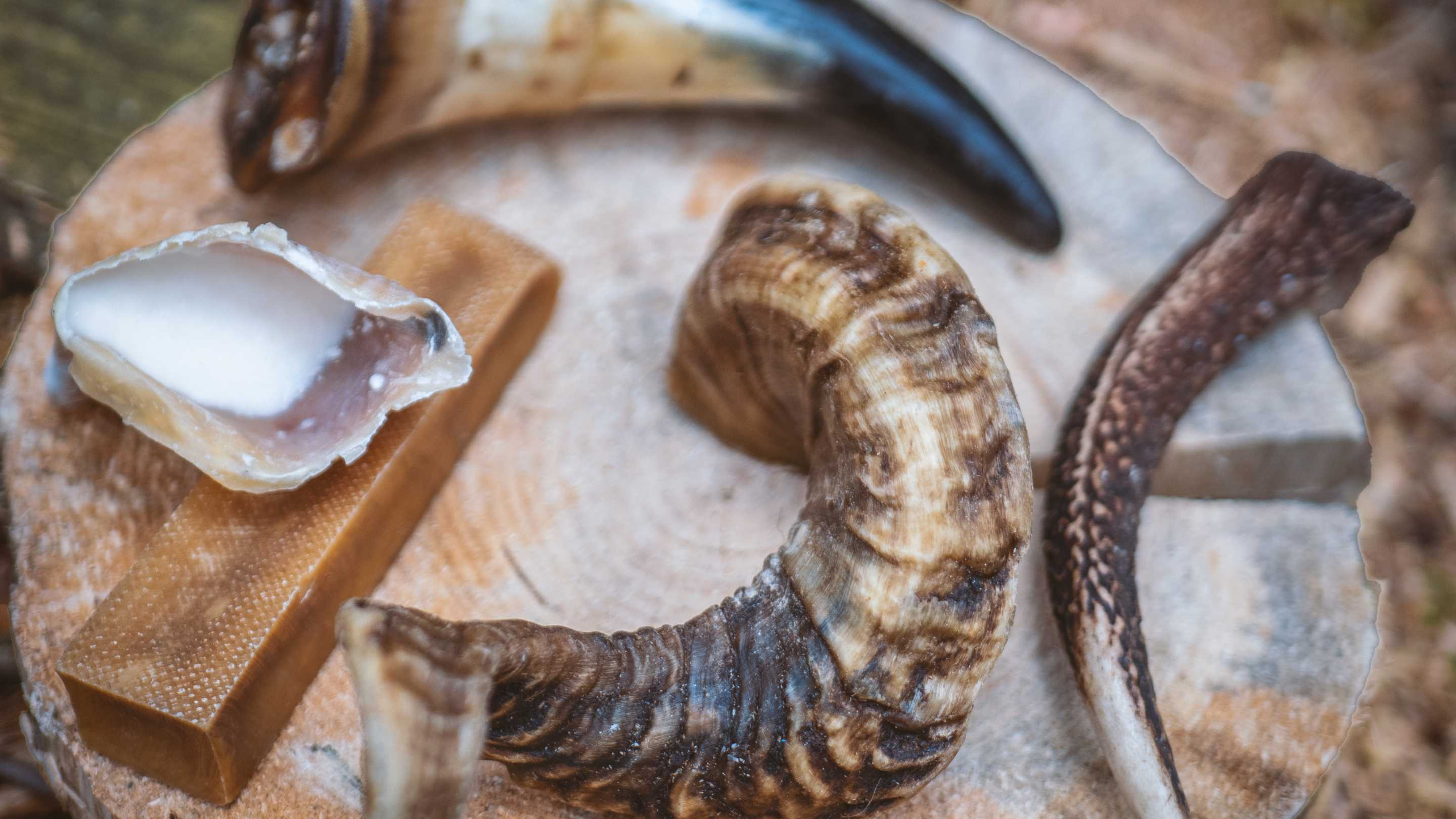
If you still have some reluctance to offer him a raw bone, you can opt for yak cheese or deer wood.