





















+30,000 pet parents already won over ❤️
Chez Truffe Délice, chaque délice est conçu dans le respect de la physiologie de nos loulous, sans jamais compromettre le plaisir. Formulées avec des vétérinaires nutritionnistes, ils allient goût, qualité et bienfaits à chaque bouchée.

Cofondateur
Steven & Ophélia



Dog chewing is like a yoga session…
It helps him relax, maintain his balance and channel his energy.
As a bonus, it cleans her teeth, occupies her mind and satisfies her natural need to chew … all while offering you a well-deserved moment of respite.
Why does my dog need to chew?
Chewing is a natural instinct in dogs. It dates back to their wolf ancestors, who spent time gnawing to feed themselves, clean their teeth, and relax.
Even today, chewing allows your pet to strengthen its jaw , massage its gums , and stimulate saliva production , which helps limit the accumulation of tartar and bacteria.
But that's not all: chewing acts as a natural stress reliever . Each bite releases endorphins , those famous feel-good hormones, helping your dog relax, channel its energy, and prevent destructive behaviors …
Long-lasting chewing: advantages and recommendations
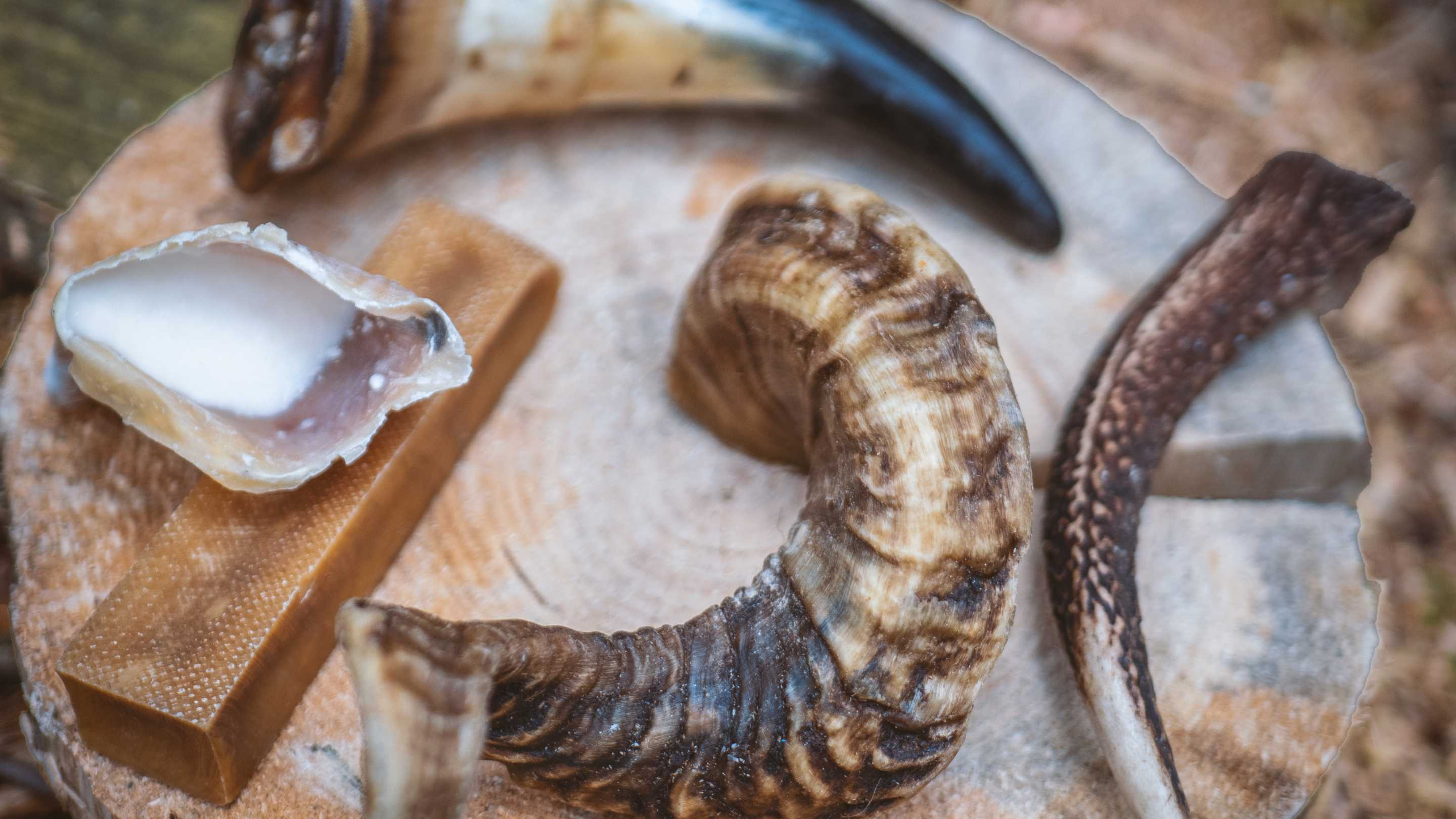
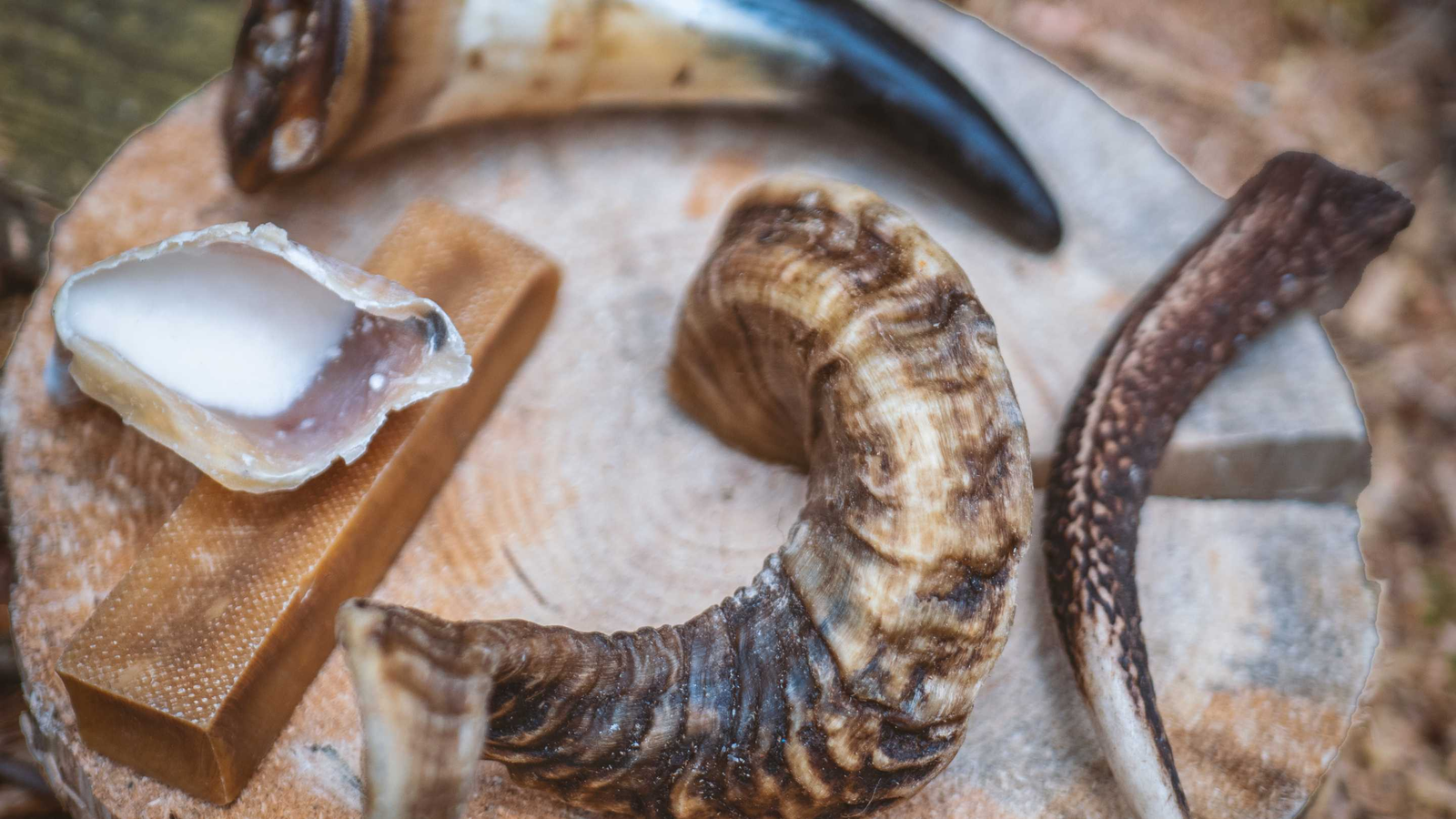
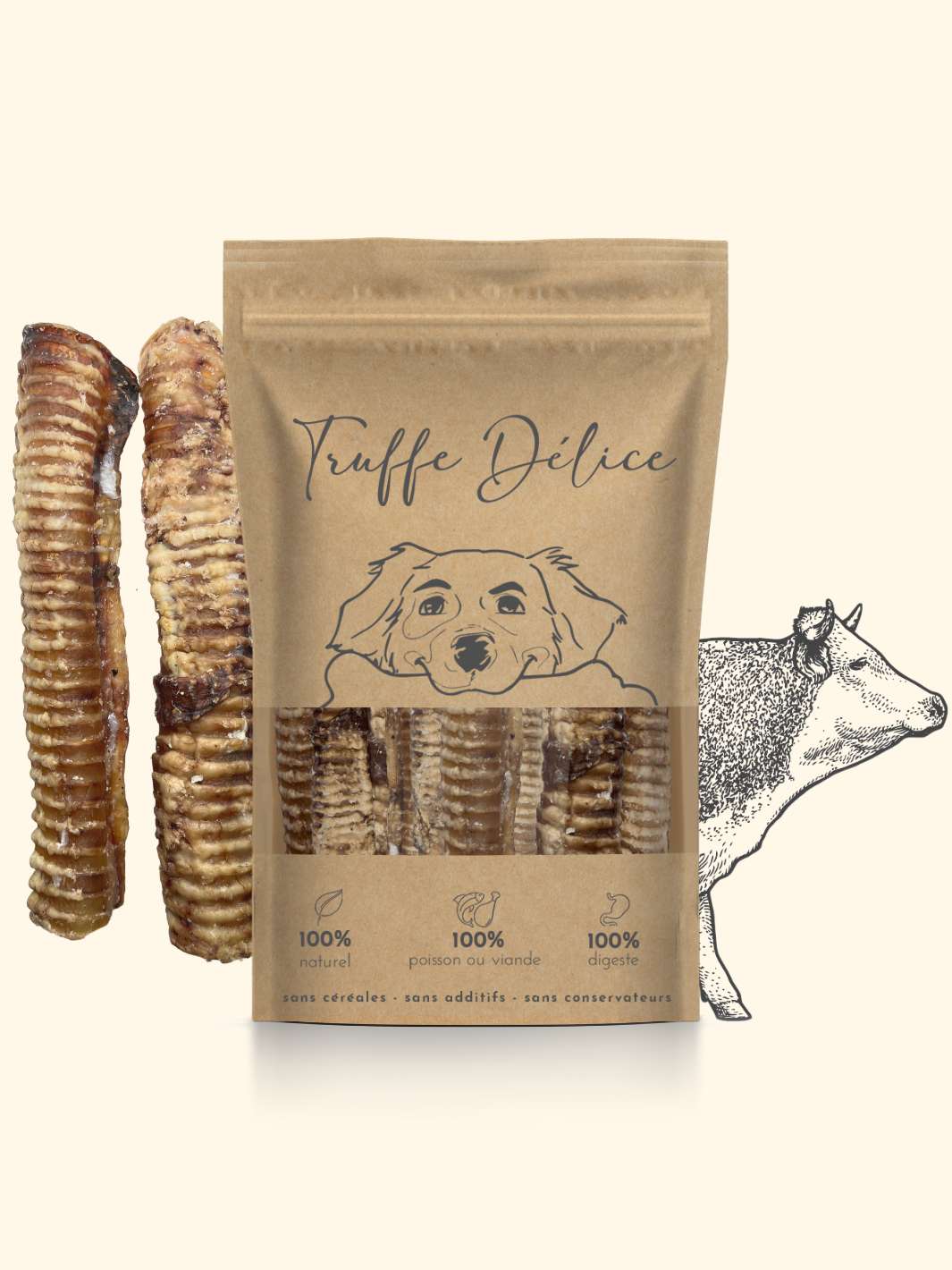
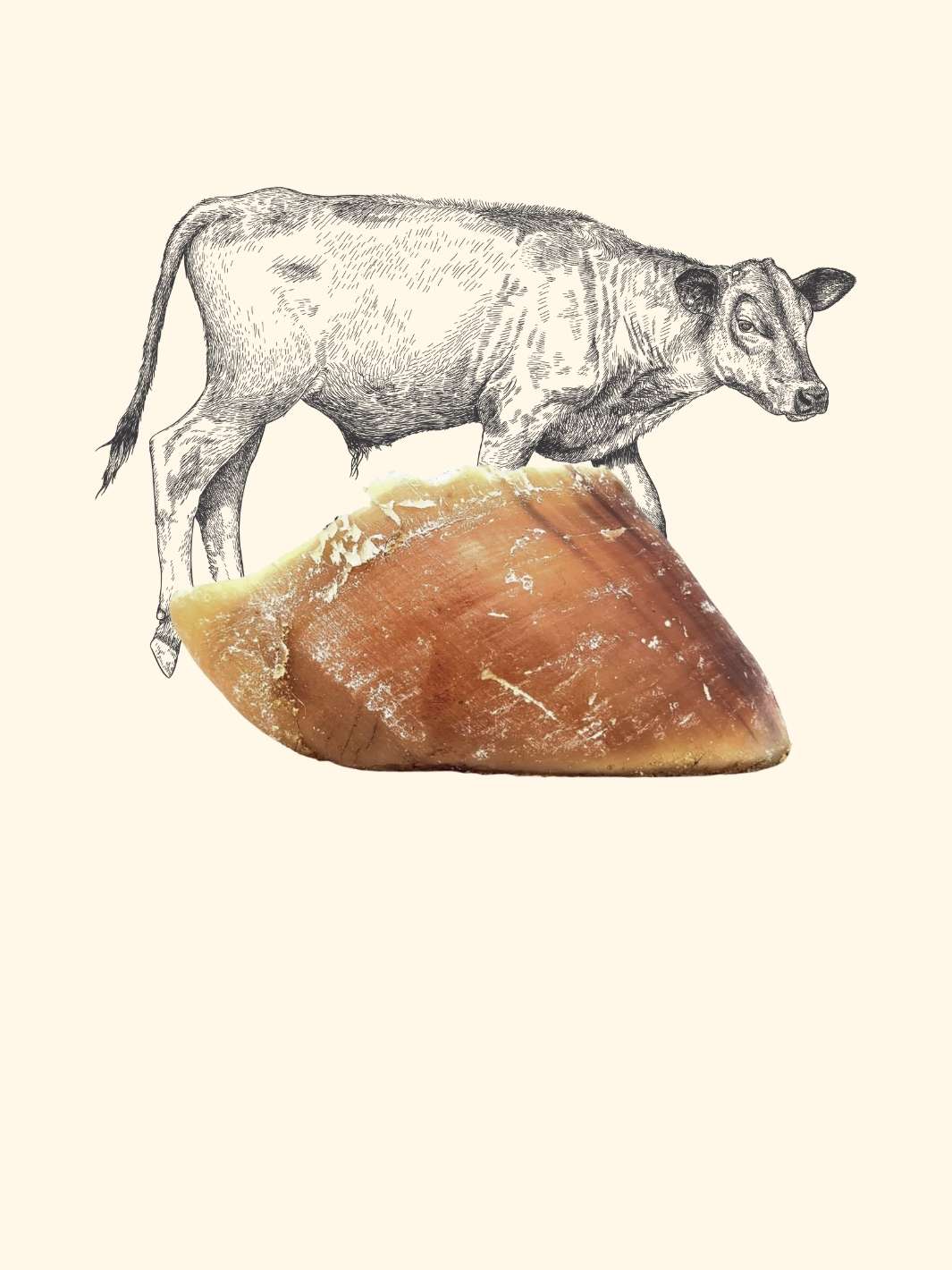
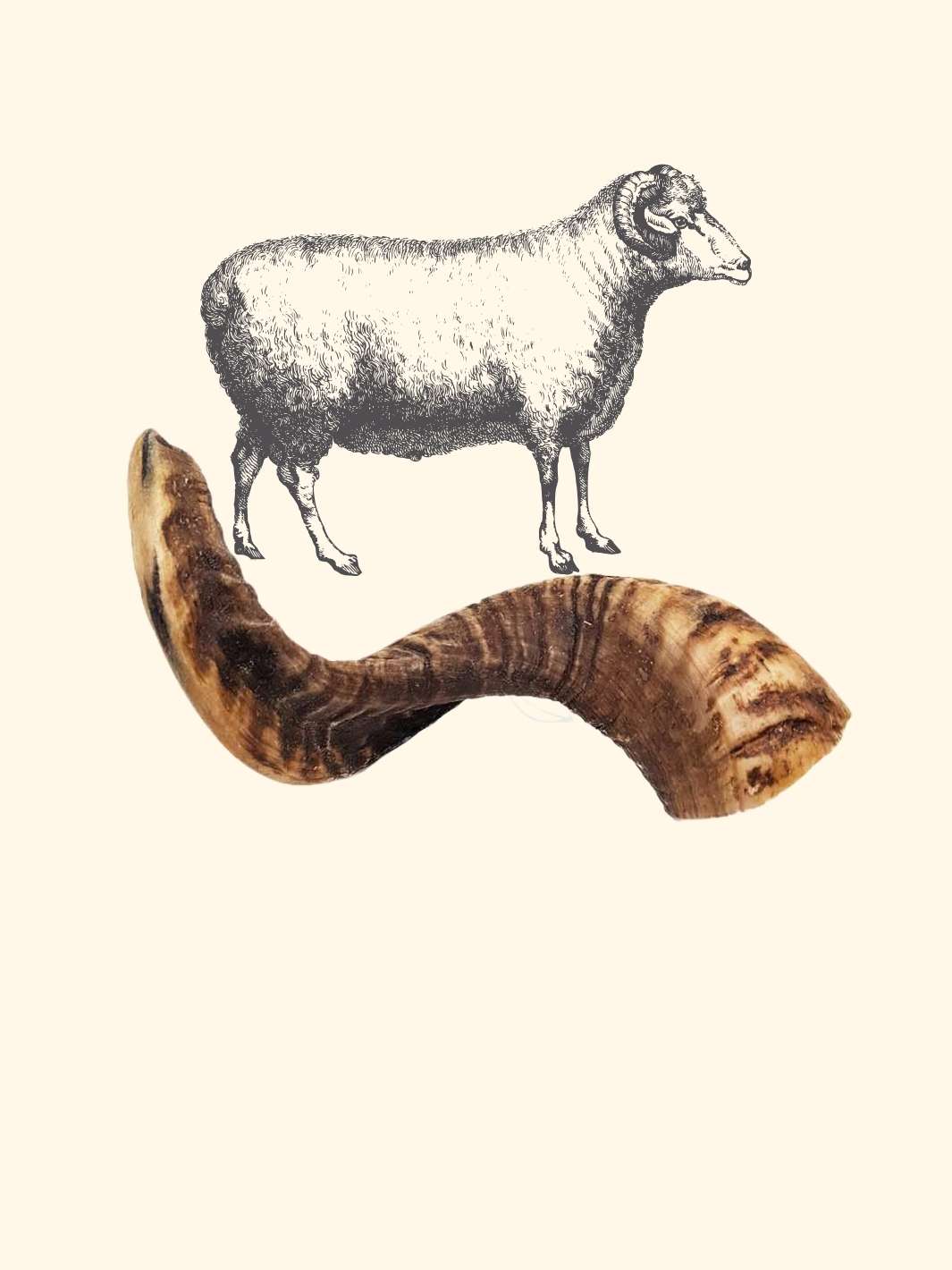
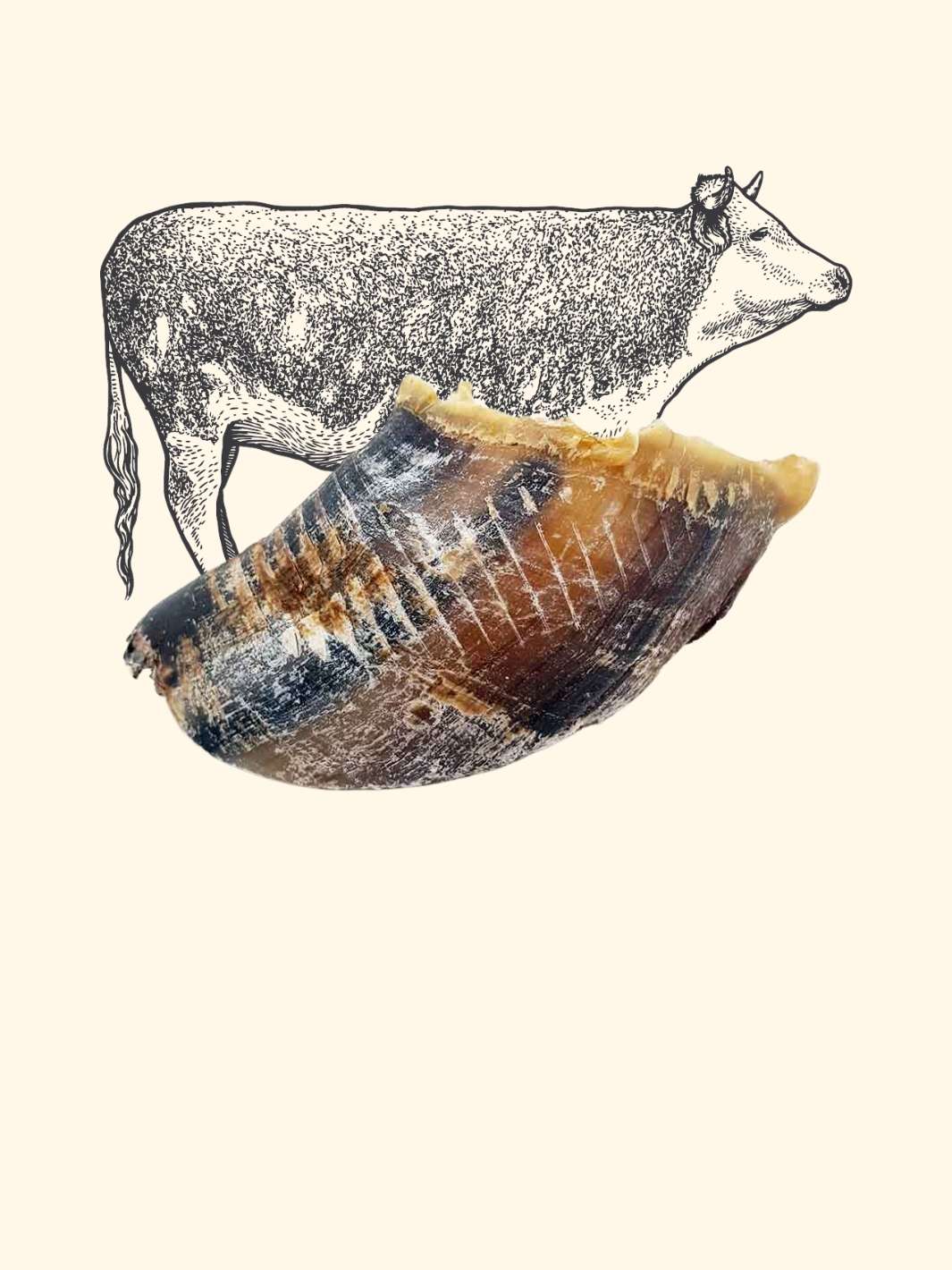
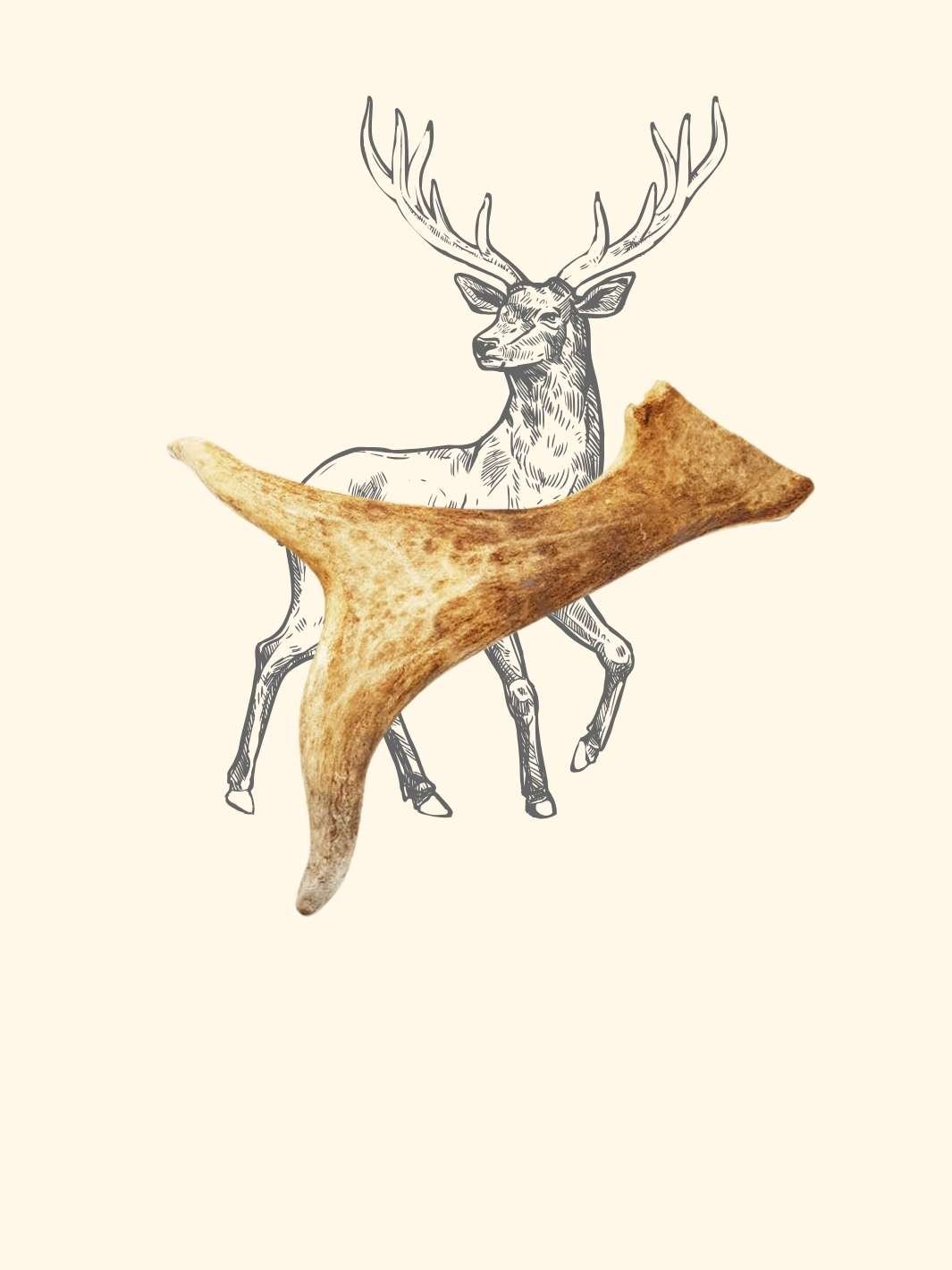
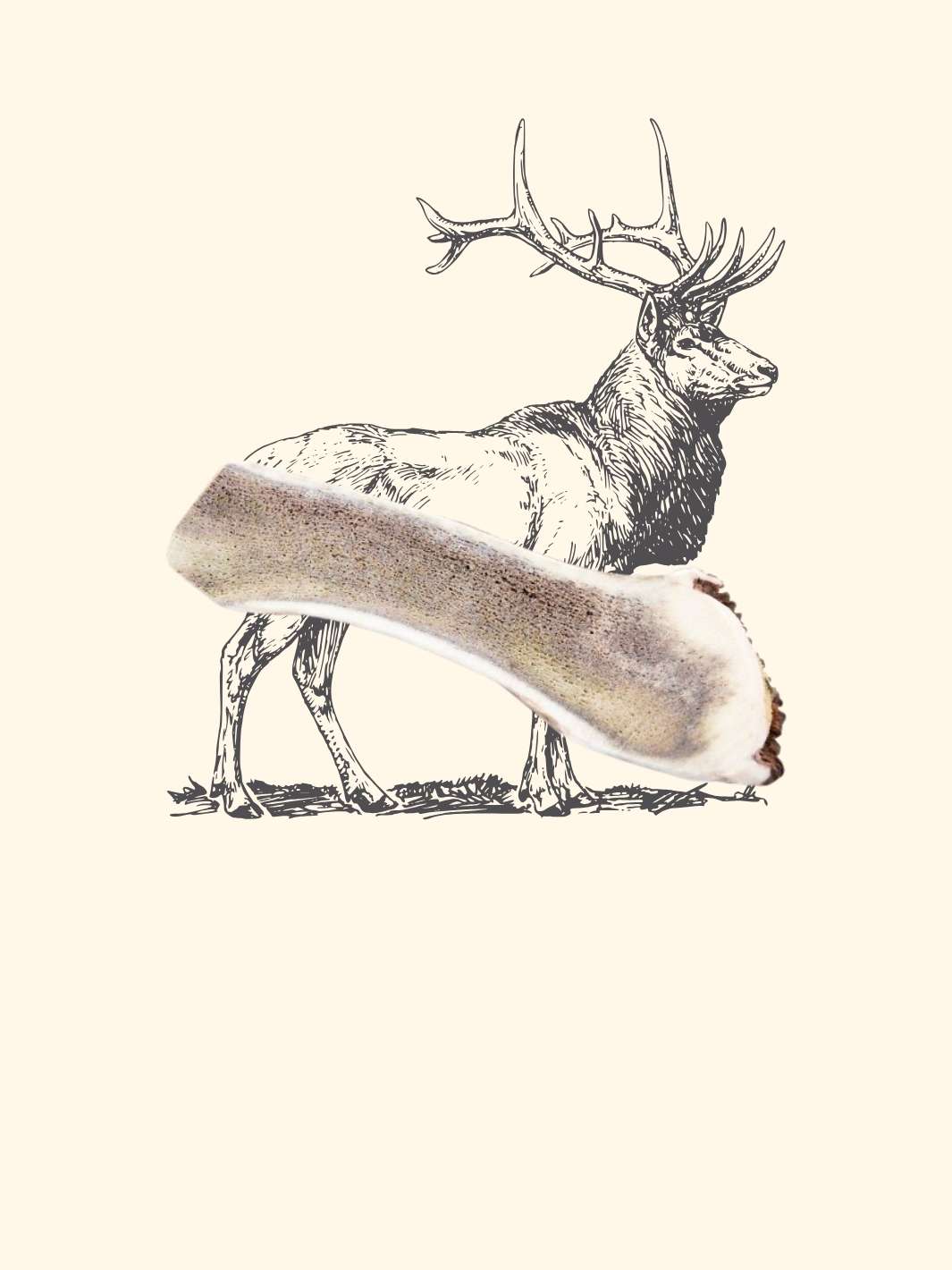
A chew that lasts as long as a deer antler , buffalo horn or calf hoof stimulates the dog deeply , because it reproduces the sustained effort that its ancestors made to access the marrow, tendons or flesh when hunting.
This prolonged work positively tires the dog, by mobilizing its jaw, its mind and its sense of smell.
At the same time, repeated rubbing on the teeth removes dental plaque more effectively than short chewing and stimulates blood circulation in the gums.
For a safe and effective experience, always match the size and hardness to the strength of your dog's jaw . A size that's too small could pose a risk of ingestion, while a product that's too hard for a puppy or senior dog could damage their teeth or discourage them. Supervise them while they chew , especially during the first few uses.
At what age should dogs start chewing?
From a very young age , a puppy can chew… but not just anything. During the teething period (around 3-6 months), opt for soft textures.
In adults, chewing remains essential to maintain good oral hygiene and prevent tartar buildup.
Even seniors can benefit : simply opt for gentler products that respect their gums and teeth, which are often more fragile.
Which chews are safe and effective?
Good dog chewing is recognized by 3 criteria: natural , adapted to the jaw and durable .
Robust materials like certain woods or horns offer an interesting challenge and contribute to dental hygiene. Softer options, on the other hand, are better suited to sensitive or novice dogs, while still providing a soothing and cleaning effect.
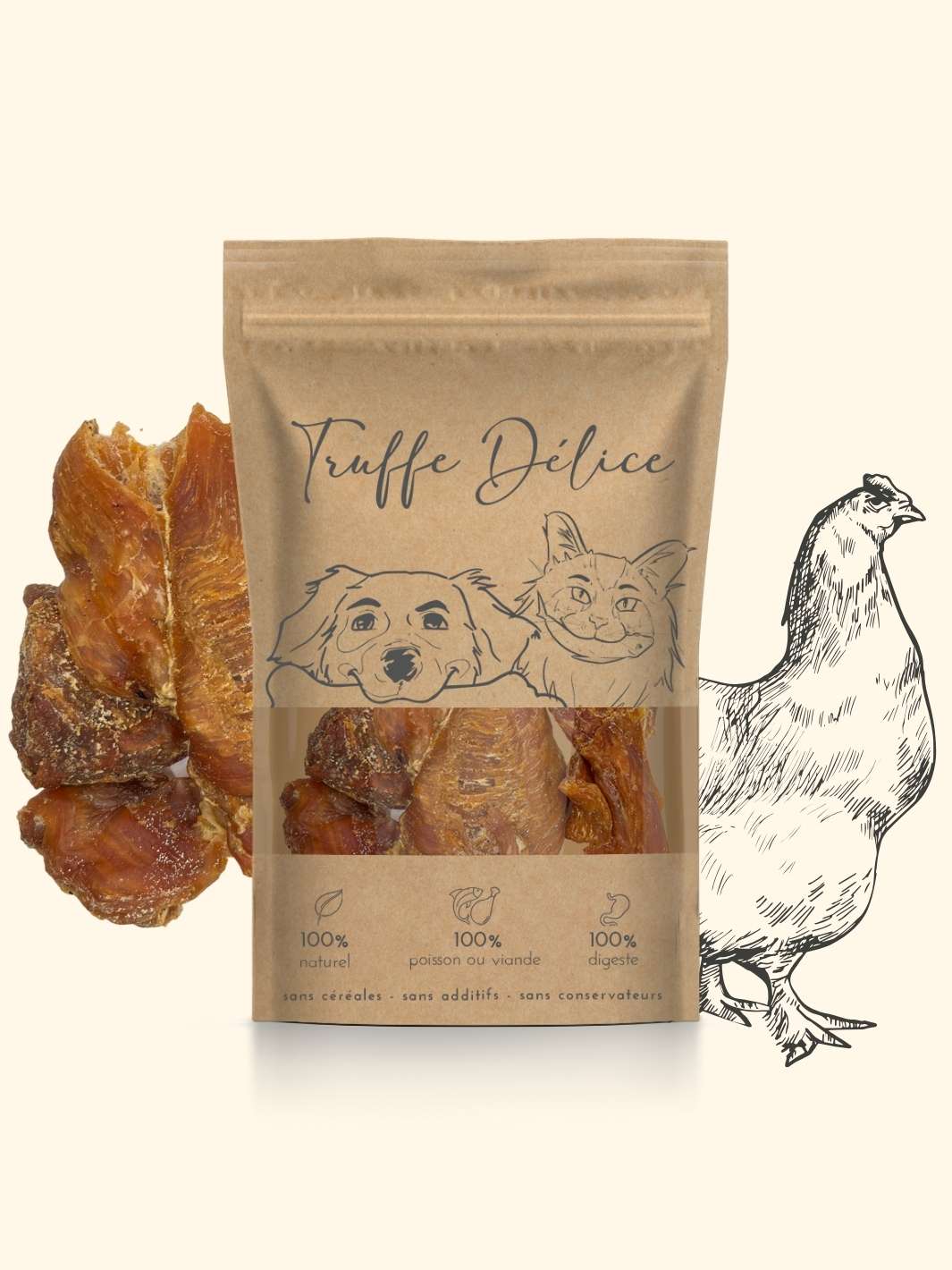
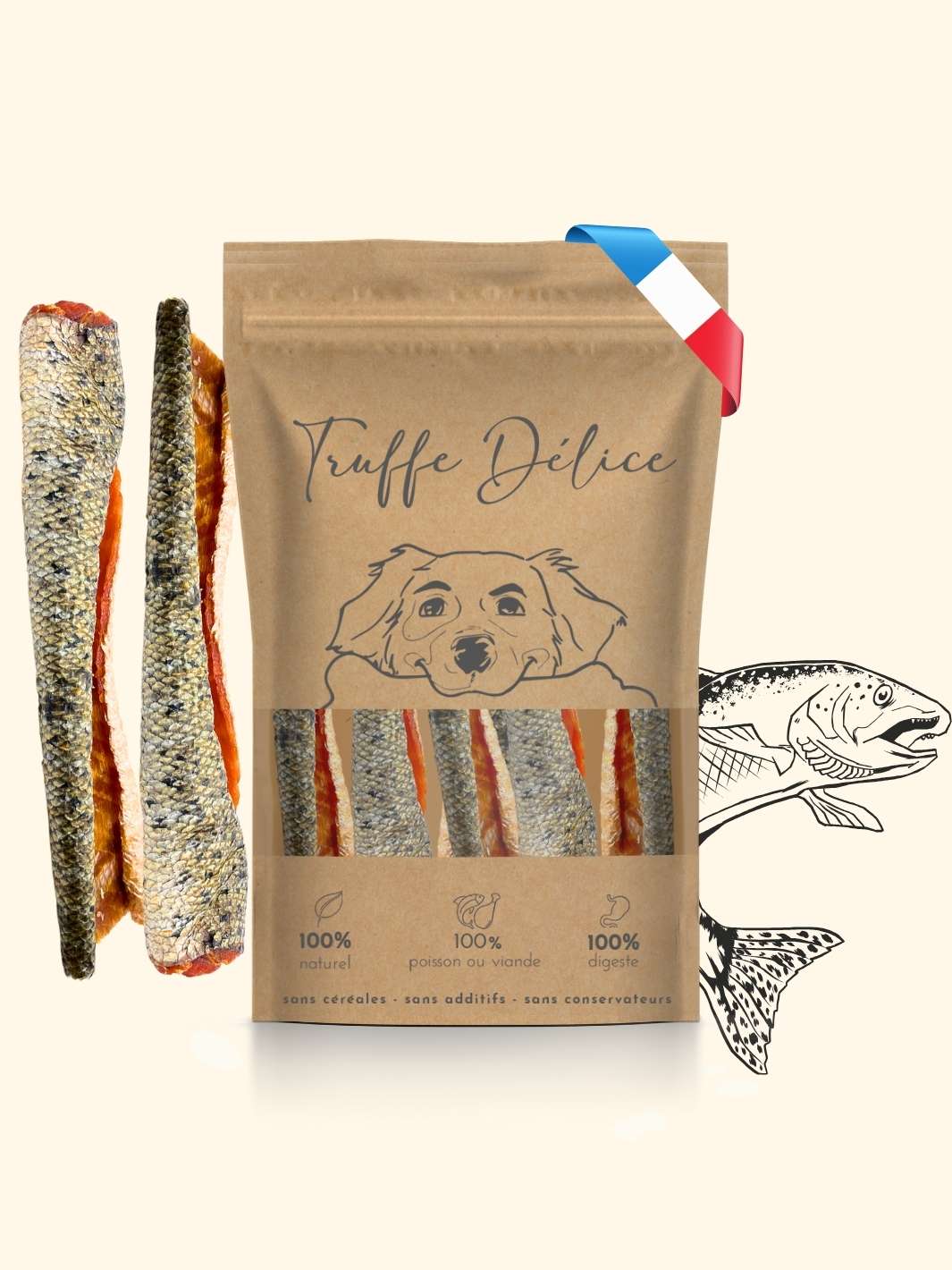
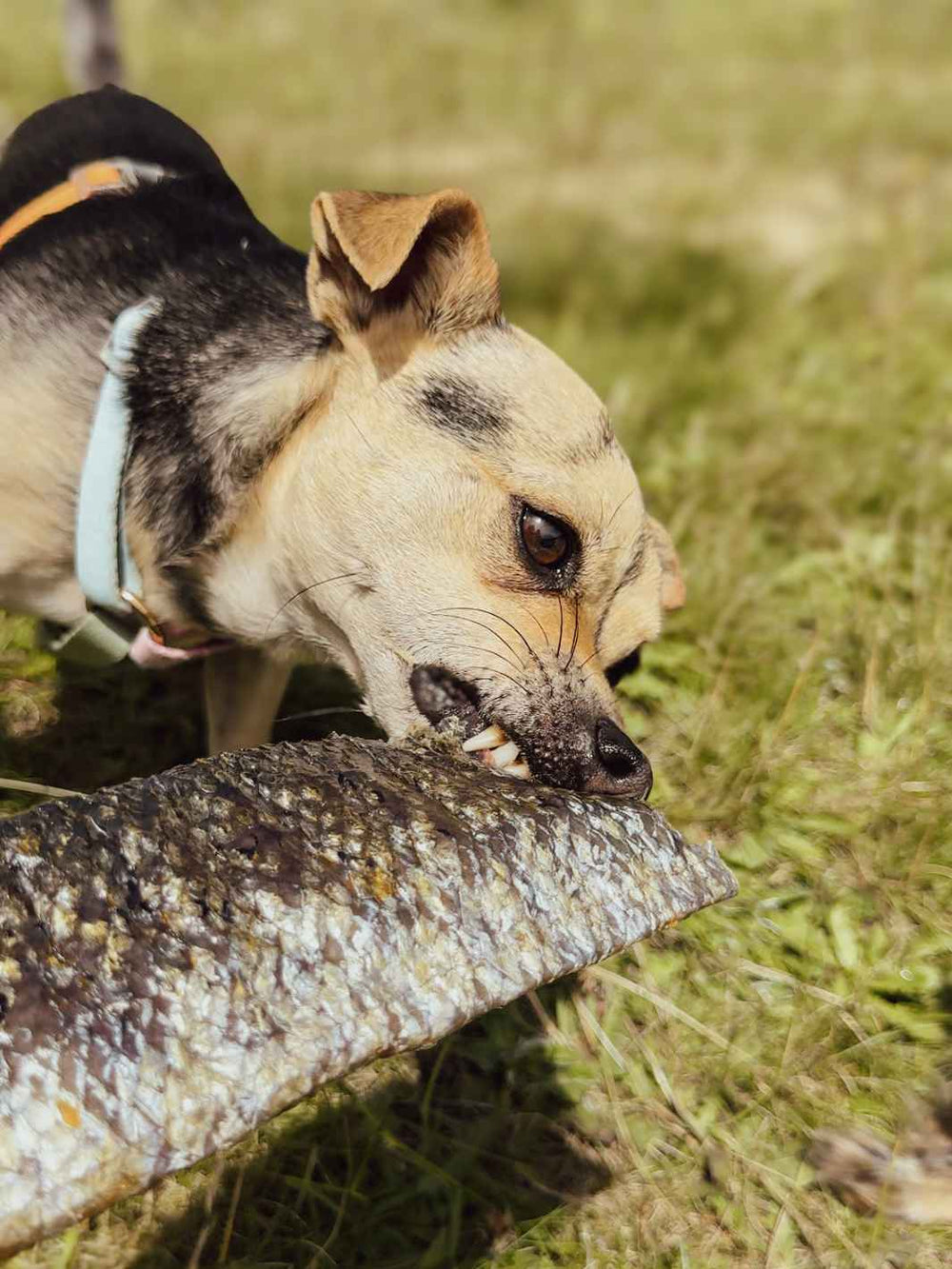
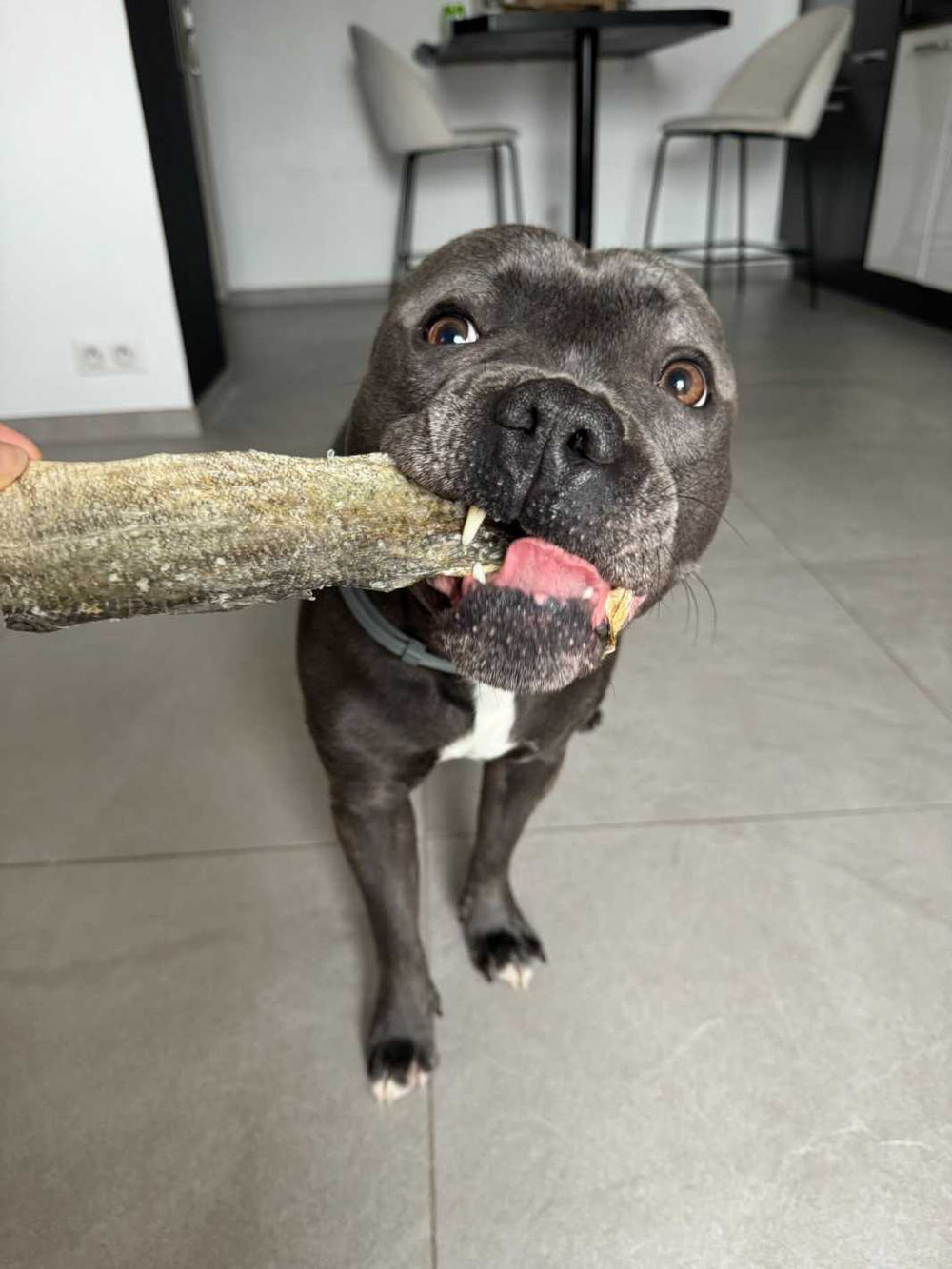
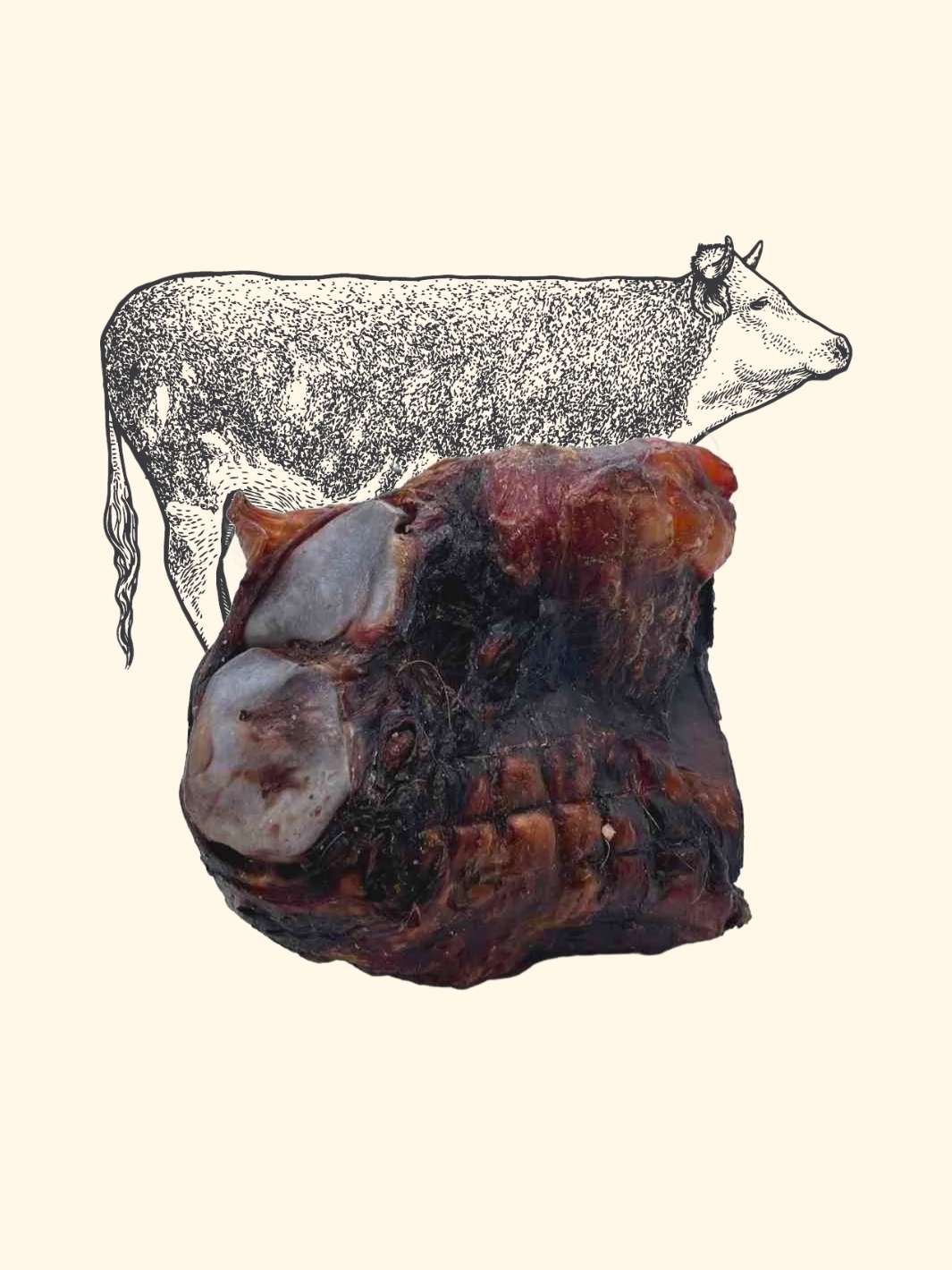
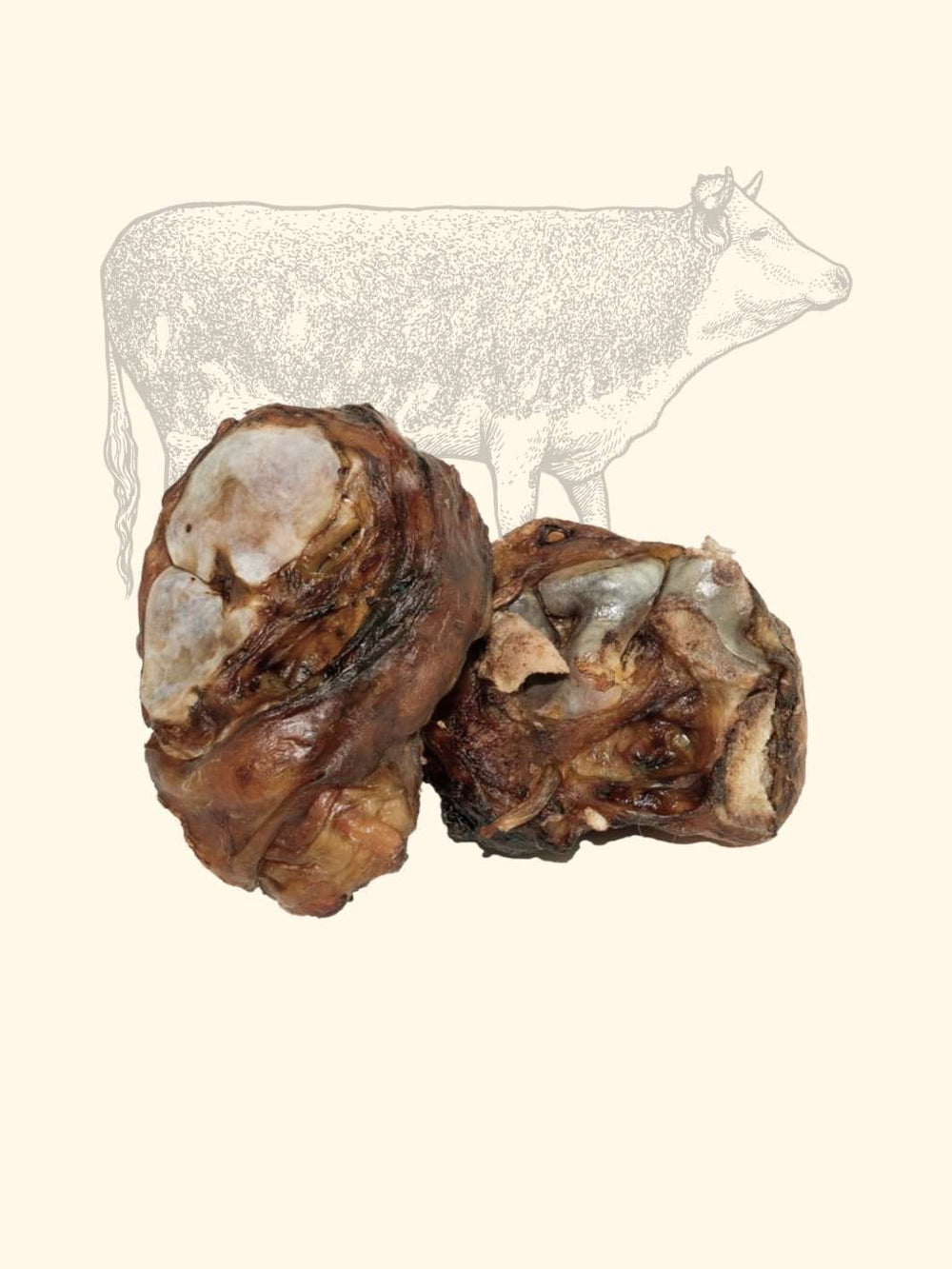
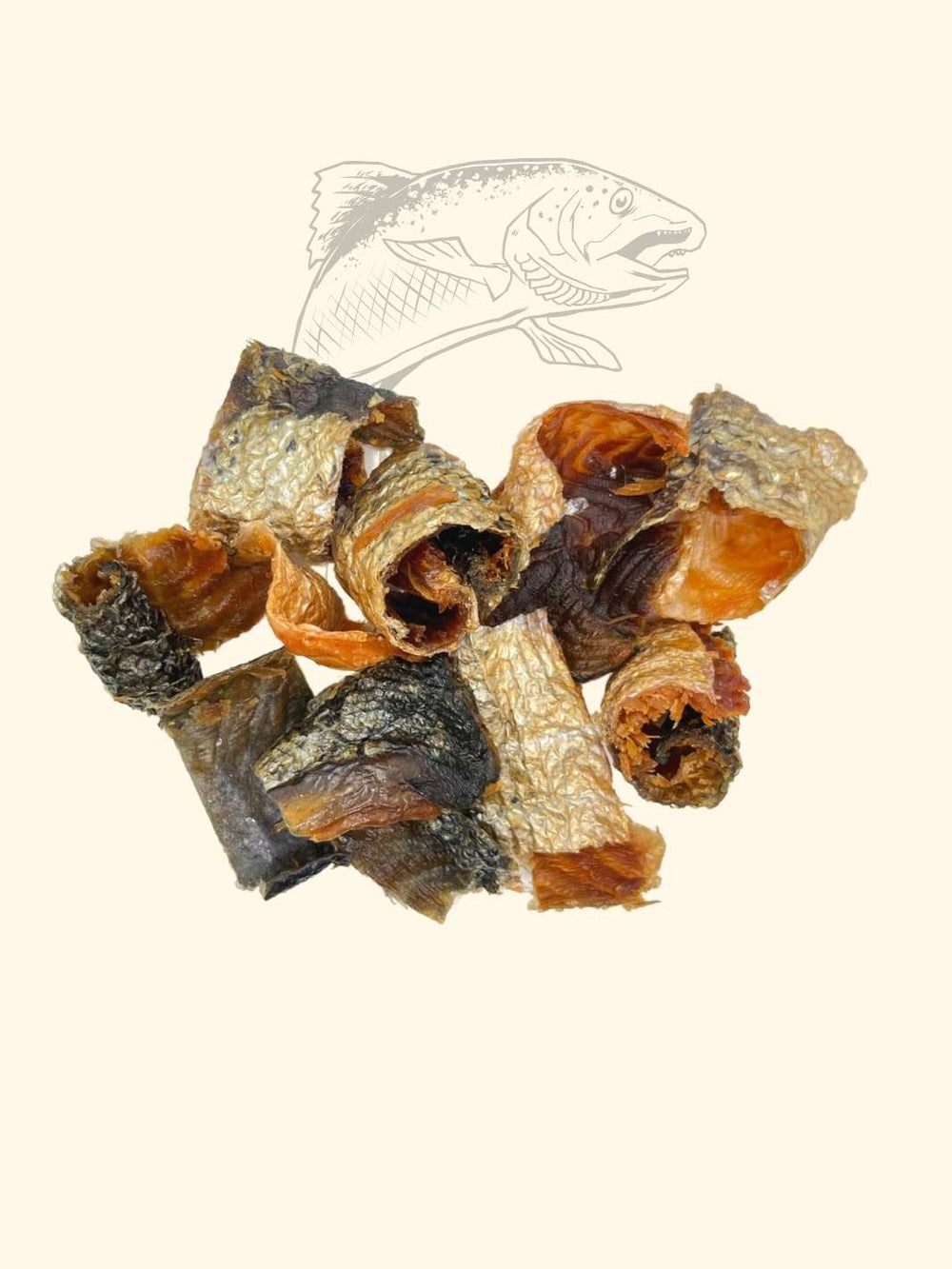
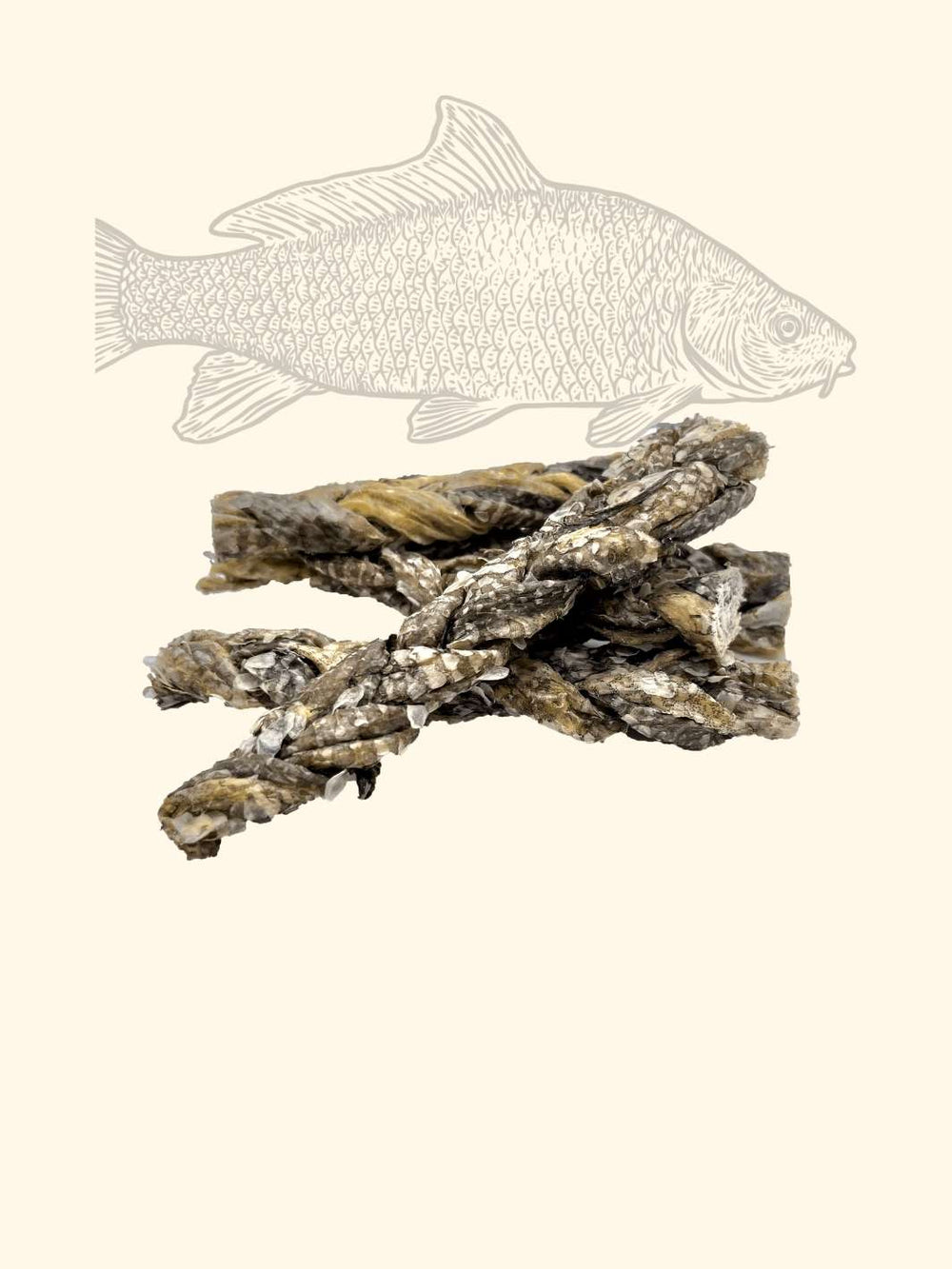
Varying the textures of wood, horn, meat or dried fish helps to stimulate the senses , avoid boredom and meet the needs of the moment: relaxation, energy expenditure or reward.
The most important thing is to choose a product:
- No additives or preservatives ✅
- Proportional to the power of its jaw ✅
- Suitable for his size and age ✅
Chewing methods to absolutely avoid :
- Cooked bones ❌
- Chewing materials not suited to your dog's jaw ❌
- Chewing toys not appropriate for your dog's age ❌
Choose a size that suits the strength and shape of your dog's jaw . A large dog will enjoy a generous and sturdy treat, while a puppy or a small dog will appreciate a lighter and more manageable chew.
Dog chewing: a natural remedy for stress and mischief
A stressed or anxious dog often needs to chew to calm down : it's a self-soothing behavior inherited from its ancestors. The pressure exerted on the jaws releases endorphins, the well-known feel-good hormones, which help restore a state of serenity.
Chewing channels energy and occupies the mind : a dog that chews regularly is less likely to chew your shoes, bark at nothing, or pace in circles. It provides mental and physical stimulation that reduces boredom and prevents destructive behaviors.
Even better, chewing can become a positive and reassuring ritual . Offering them their favorite chew at key moments of the day creates a calming and reassuring routine.
Conclusion
Dog chewing is much more than just a game: it is a pillar of their physical and mental health.
Whether puppy, adult or senior, every dog needs chews adapted to its jaw and energy level.